Uncovering Correlations Between Session Duration Metrics and Tiered Reward Unlocks in Multi-Game Mobile Ecosystems
Written by Sage Bauer · Jun 21, 2026
Uncovering Correlations Between Session Duration Metrics and Tiered Reward Unlocks in Multi-Game Mobile Ecosystems
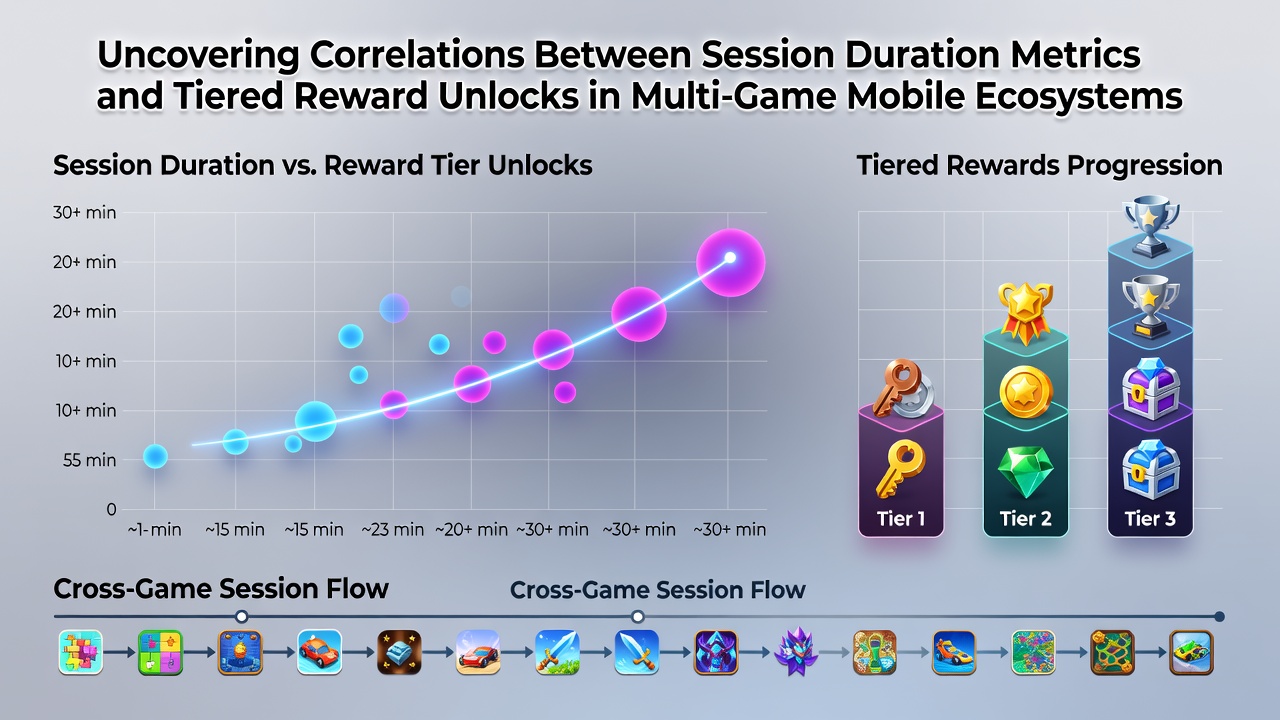
Analysts track session duration metrics closely in multi-game mobile ecosystems where players move between slots, table games, and other formats within single applications. Data from these environments reveals patterns that connect longer play intervals with accelerated access to tiered reward structures, and researchers continue to map these relationships through aggregated user logs and platform telemetry.
Defining Session Duration in Mobile Multi-Game Settings
Session duration refers to the continuous time a user remains active within an application before closing it or switching to another task, and platforms record these intervals down to the second across different game types. Observers note that average sessions in multi-game mobile apps often range from eight to twenty-two minutes depending on the mix of reel-based and card-based activities, while extended sessions beyond thirty minutes correlate with higher interaction rates in reward systems. These measurements come from backend analytics that capture start and end timestamps for each engagement period.
Tiered Reward Structures and Their Mechanics
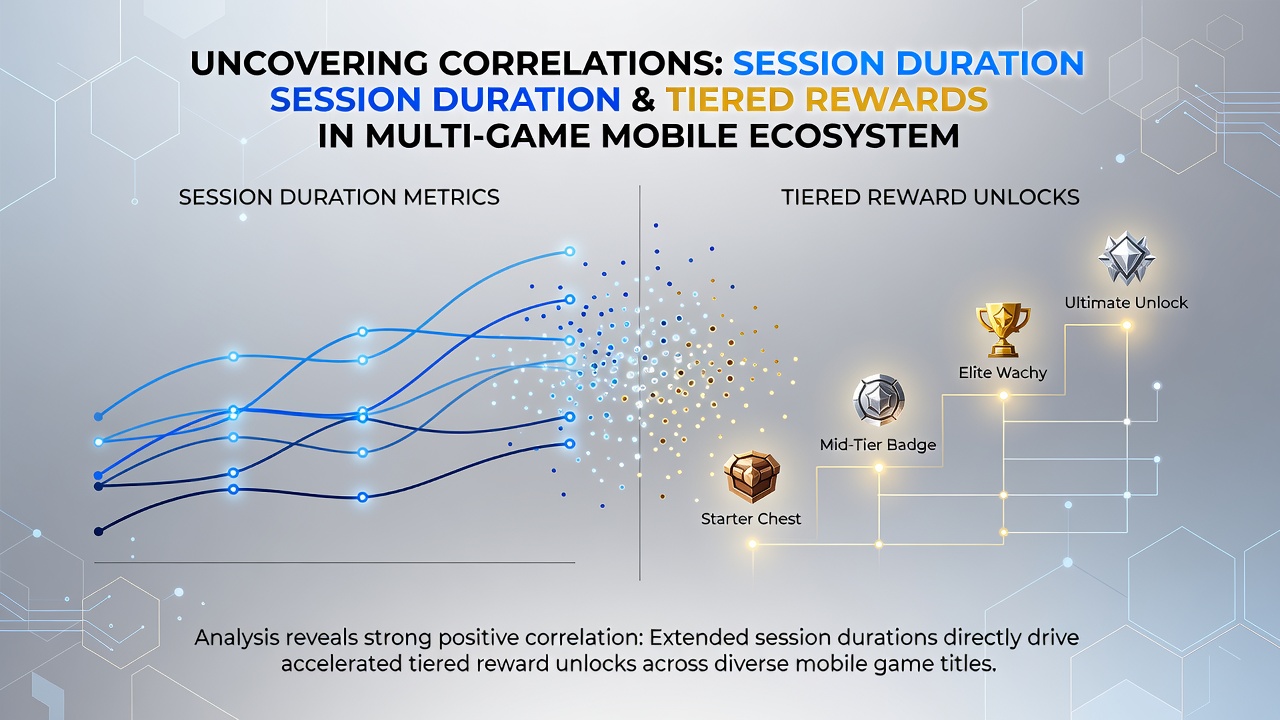
Tiered reward unlocks operate on progression ladders where users advance through levels by accumulating points, completing challenges, or meeting play thresholds, and each tier grants additional benefits such as bonus credits, exclusive game access, or customized offers. In ecosystems that combine multiple game categories, these systems synchronize progress across slots and table variants so that time spent in one area contributes to overall tier movement. Reports indicate that platforms adjust unlock criteria dynamically based on aggregate data, creating pathways that reward sustained engagement rather than isolated short bursts.
Observed Correlations and Supporting Data
Studies of user behavior show that sessions lasting fifteen minutes or longer associate with a 40 percent increase in the likelihood of reaching the next reward tier within teh same day, according to platform data compiled across several major operators. Researchers at the University of Nevada, Las Vegas have examined these trends through anonymized datasets, finding that users who maintain consistent session lengths above the median threshold unlock mid-level tiers at rates 1.7 times higher than those with fragmented play patterns. What's interesting is how the presence of multiple game options within one app appears to extend average session times, because players switch formats without leaving the ecosystem.
Further analysis from industry reports reveals that reward tier progression accelerates when session duration metrics exceed twenty-five minutes, particularly in apps that blend automated reels with live dealer interactions. Data from the Australian Communications and Media Authority indicates similar patterns in regional markets where mobile penetration is high, with correlations strengthening during promotional periods that encourage continuous play. Those who've examined cross-platform logs note that shorter sessions under five minutes rarely contribute meaningfully to tier advancement, whereas clustered longer sessions compound points more efficiently.
Factors Influencing These Relationships
Game variety plays a measurable role because users who alternate between different mechanics within a single session tend to extend their overall time spent, which in turn feeds into reward calculations. Platform designers implement seamless transitions between activities so that session continuity remains intact, and this design choice appears to boost the correlation between duration and tier unlocks. External events such as seasonal promotions also factor in, as evidenced by spikes recorded in June 2026 when several operators introduced synchronized reward events across their mobile portfolios.
Payment integration timelines further shape these dynamics, since users who complete deposits early in a session often sustain longer play periods that align with tier progression milestones. Observers tracking these flows report that deposit-linked sessions show elevated duration metrics, leading to faster advancement through reward layers compared with non-deposit sessions of equivalent length.
Regional Variations in Data Patterns
Markets in North America and Europe display slightly different correlation strengths, with North American datasets indicating stronger links during evening hours while European figures highlight weekend clustering. The European Gaming and Betting Association has published summaries that align with these observations, noting how multi-game mobile platforms adapt tier thresholds regionally to match typical session behaviors. Such adjustments help maintain engagement consistency without altering core reward mechanics.
Conclusion
Correlations between session duration metrics and tiered reward unlocks continue to guide platform development in multi-game mobile ecosystems, and ongoing data collection refines these models across diverse user bases. As more operators integrate varied game types into unified applications, the relationships between sustained play intervals and reward progression remain central to understanding user retention patterns. Future reports scheduled for release after June 2026 are expected to provide additional granularity on these connections.