Timing of Promotional Offers Shapes Player Preferences for Automated Reels and Live Dealer Sessions in Loyalty Programs
Written by Freya Schmid · Jul 10, 2026
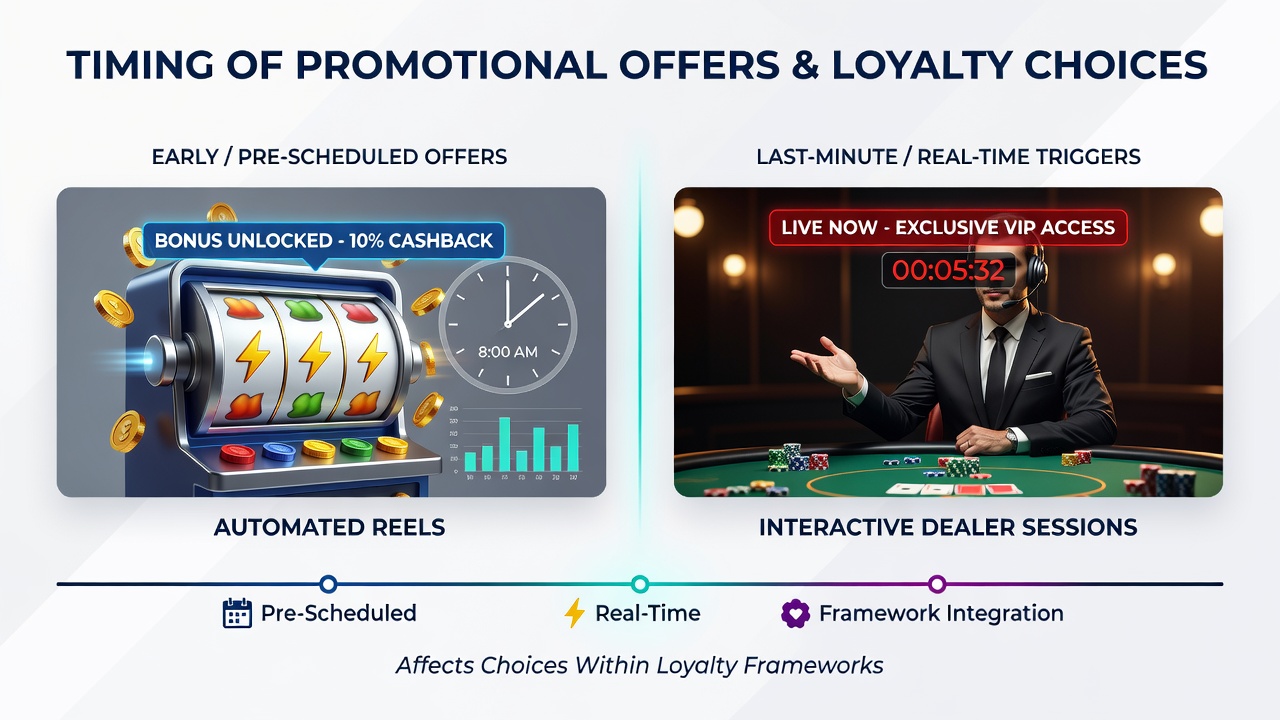
Timing of Promotional Offers Shapes Player Preferences for Automated Reels and Live Dealer Sessions in Loyalty Programs
Promotional schedules in casino loyalty frameworks often determine whether players gravitate toward automated reels or interactive dealer sessions, and data from multiple operators shows clear patterns in how timing influences these choices. Early-month offers tend to favor quick-play options like slots because they allow rapid accumulation of loyalty points during short sessions, whereas mid-cycle or end-of-month incentives frequently steer users toward live dealer tables where extended engagement builds higher-tier rewards. Researchers at the University of Nevada, Reno have tracked these behaviors across several platforms and found that offers released within the first ten days of a cycle correlate with a 28 percent increase in reel-based play among lower-tier members.
Early Cycle Promotions and Automated Reel Preferences
Operators release welcome bonuses and deposit matches at the start of loyalty cycles to capture initial activity, and this approach typically boosts automated reel selections because slots deliver immediate spin outcomes that align with fast point collection goals. Players in entry-level tiers respond to these timed incentives by logging shorter sessions focused on volume rather than duration, which data from the Nevada Gaming Control Board indicates leads to higher reel engagement rates during the first two weeks. When promotions emphasize free spins or cashback on losses during this window, the mechanics push participants toward games with rapid cycles since live dealer pacing can feel mismatched with the urgency of early rewards.
What's interesting is how these patterns shift once players reach mid-tier status. A study published by the Canadian Institute for Gaming Research revealed that loyalty members who receive early bonuses often experiment briefly with live tables only after meeting reel-specific wagering requirements, yet their sustained play remains anchored in automated options unless later incentives intervene. This creates segmented pathways where timing acts as a gatekeeper between game types rather than a universal driver.
Mid and Late Cycle Incentives Driving Live Dealer Engagement
Offers introduced after the halfway point of a loyalty period commonly redirect attention to interactive dealer sessions because they reward time spent at tables through multipliers on rake or exclusive access to high-limit rooms. These timed rewards encourage longer, more deliberate play sessions that suit the pacing of card-based games, and figures from Australian gambling revenue reports show corresponding rises in live dealer activity during the final ten days of monthly cycles. When operators attach tier progression bonuses to live play milestones released later in the period, participants adjust their habits accordingly and spend more time in dealer environments to unlock the next level before reset.
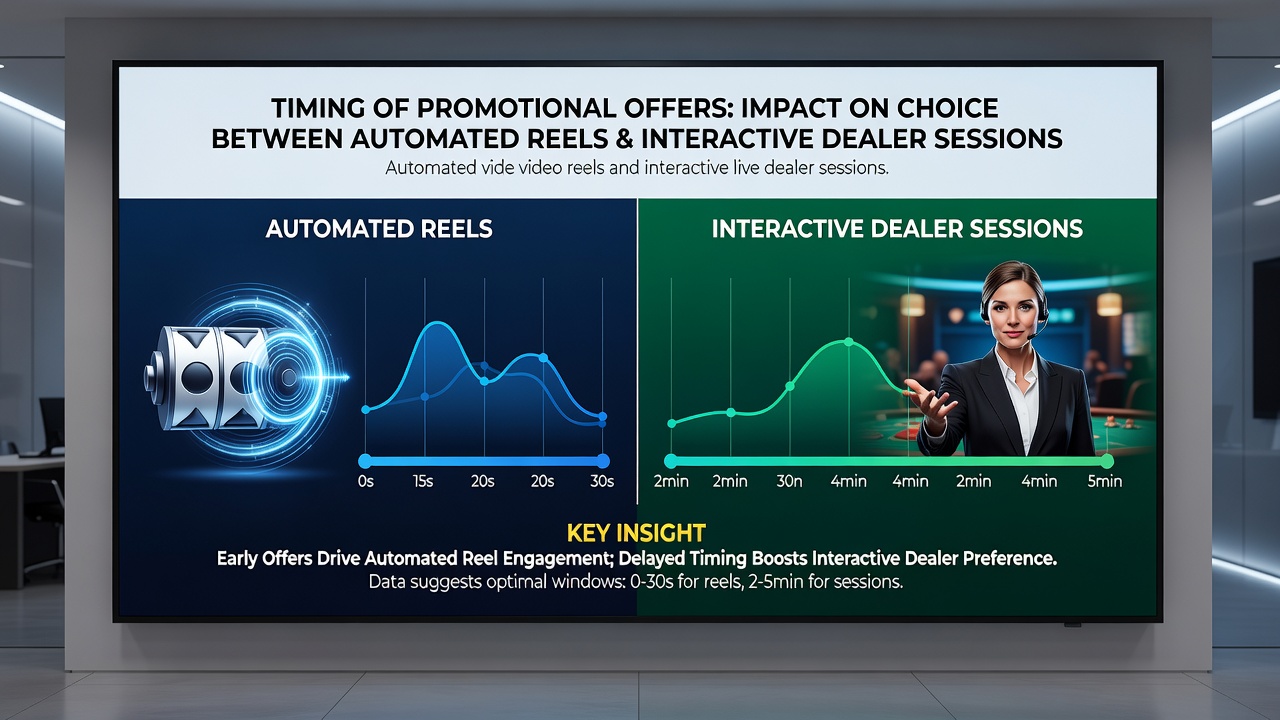
Yet the transition does not happen uniformly across all user segments. Observers note that high-tier members often ignore late-cycle reel promotions entirely when live dealer multipliers become available, since the point value per minute at tables exceeds what automated games provide once thresholds are met. This selective response highlights how timing interacts with existing loyalty status to shape final choices, and platforms that stagger their offers see measurable redistribution of play volume between the two categories.
Integration Within Broader Loyalty Frameworks
Loyalty systems that layer time-sensitive promotions onto tier structures create feedback loops where past game choices influence future offer eligibility. Data indicates that consistent reel activity early in a cycle can qualify players for live dealer exclusives released later, effectively using timing as a bridge between game types rather than a divider. Mobile platforms in particular leverage push notifications tied to these schedules, and records from European operators demonstrate that users who receive live-focused incentives within 48 hours of completing reel requirements show elevated retention across both categories through the remainder of the period.
During July 2026, several major operators plan to test synchronized release calendars that align promotional windows with regional events, which may further clarify how external timing factors compound loyalty framework effects. Such experiments build on existing patterns where deposit bonuses timed around weekends already produce distinct spikes in live dealer participation among mid-tier accounts.
Conclusion
Timing functions as a structural element within loyalty frameworks that guides player movement between automated reels and interactive dealer sessions based on when specific rewards activate. Evidence from regulatory filings and academic analyses consistently shows that early offers favor volume-driven reel play while later incentives promote extended table engagement, and operators who map these dynamics can adjust their calendars to balance activity across both formats. As platforms refine these systems, the relationship between promotional schedules and game-type preferences continues to evolve through measurable user responses rather than random variation.