The Impact of Transaction Processing Speeds on Progression Through Loyalty Levels When Alternating Between Machine-Based and Person-Led Gaming Options on Mobile Devices
Written by Felix Meier · Jun 28, 2026

The Impact of Transaction Processing Speeds on Progression Through Loyalty Levels When Alternating Between Machine-Based and Person-Led Gaming Options on Mobile Devices
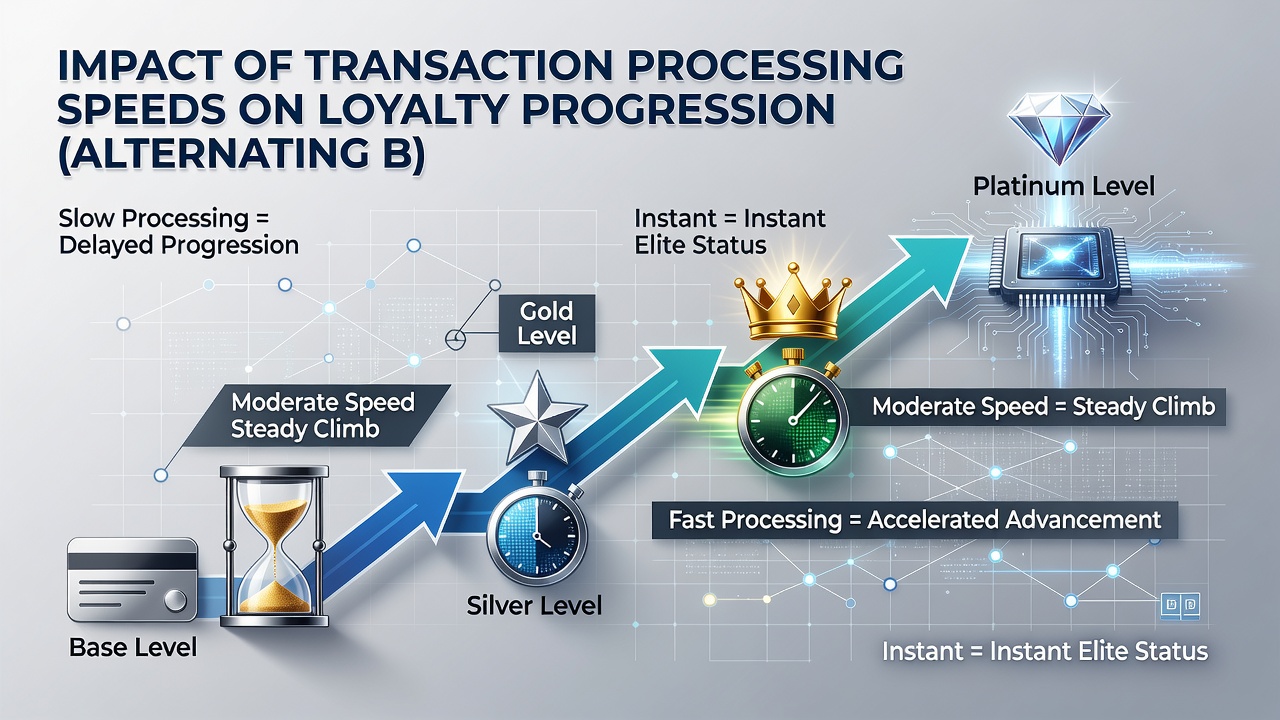
Transaction processing speeds shape how players move between automated reel games and live dealer sessions on mobile platforms, and those speeds directly influence the rate at which loyalty points accumulate toward higher tiers. Data from multiple gaming operators show that delays of even a few seconds in deposit confirmation or withdrawal processing can interrupt the flow of play, which in turn affects point accrual when users switch between machine-based slots and person-led table games. Observers note that mobile environments amplify this effect because players often alternate rapidly between game types within a single session.
How Processing Timelines Interact with Game Type Switches
Automated slot sessions generate points at a steady rate tied to wager volume, while live dealer tables introduce variable pacing that depends on dealer actions and player decisions. When a deposit processes quickly, users maintain continuous momentum across both formats. Slower authorizations, however, create gaps that break the sequence, and those interruptions reduce the total points earned in a given period. Studies from the University of Nevada, Las Vegas gaming research group indicate that sessions with sub-three-second processing times record higher cross-format point totals compared with those experiencing longer delays.
Players who move from high-speed slot spins to live blackjack tables and back again rely on seamless fund availability to keep loyalty meters advancing. Payment gateway performance becomes the deciding factor during these transitions, especially on devices where network conditions already add latency. Figures released in industry reports highlight that operators optimizing real-time authorization see steadier tier progression among users who frequently alternate between game categories.
Loyalty Structures and Point Accumulation Patterns
Most mobile loyalty programs award points based on a combination of wager amount, game category, and session duration. Machine-based games typically credit points immediately upon spin completion, whereas person-led tables credit points after each resolved hand or round. When transaction speeds allow uninterrupted movement between these systems, the combined point rate increases. Slower processing forces users to pause, and those pauses translate into lower overall accumulation during the same time window.
Research conducted across North American and Australian operators reveals consistent patterns: users who experience deposit approvals within two seconds maintain higher weekly point totals when switching formats multiple times per session. The same datasets show that delays exceeding eight seconds correlate with measurable drops in tier advancement speed, particularly among players who split their activity evenly between slots and live tables.
Regional Regulatory Context and June 2026 Developments
Regulatory frameworks in different jurisdictions continue to shape how operators manage transaction timelines. The Nevada Gaming Control Board updated its technical standards documentation in early 2026 to include clearer expectations around mobile payment latency, and those updates took effect in June 2026. Operators subject to these standards adjusted their systems to reduce average authorization times, which in turn influenced loyalty program performance metrics reported for that period.
Similar adjustments appeared in other markets. Canadian provincial regulators and the Australian Communications and Media Authority both referenced mobile transaction performance in their 2026 compliance reviews, although their specific requirements differ from those in Nevada. These regulatory shifts coincide with broader industry movement toward faster payment rails, and operators have documented corresponding changes in how quickly players reach mid-tier loyalty thresholds when alternating between automated and live dealer content.
Technical Factors Affecting Alternating Play Sessions
Mobile network variability, device processing power, and gateway routing decisions all contribute to the final transaction speed experienced by users. When these elements align for rapid confirmation, players can complete a slot bonus round, move to a live roulette table, and return to slots without losing momentum in their loyalty tracking. Slower routing or congested gateways introduce friction that interrupts this cycle.
Operators tracking user behavior report that sessions involving three or more format switches within thirty minutes show the strongest correlation between processing speed and tier progress. Quick approvals allow point counters to update in near real time, while delays push those updates into subsequent sessions, effectively stretching the timeline required to reach the next loyalty level.
Conclusion
Transaction processing speeds determine how efficiently players accumulate loyalty points when moving between machine-based and person-led games on mobile devices. Faster authorizations support continuous play patterns that maximize point generation across both categories, whereas slower timelines create interruptions that reduce overall advancement rates. Data collected through 2026 demonstrate measurable differences in tier progression tied directly to these technical performance factors, and regulatory updates in multiple regions have begun addressing latency standards as part of broader mobile gaming oversight.