Payment Method Choices Driving Loyalty Tier Advances in Portable Gaming Applications
Written by Xander Meier · Aug 25, 2026
Payment Method Choices Driving Loyalty Tier Advances in Portable Gaming Applications
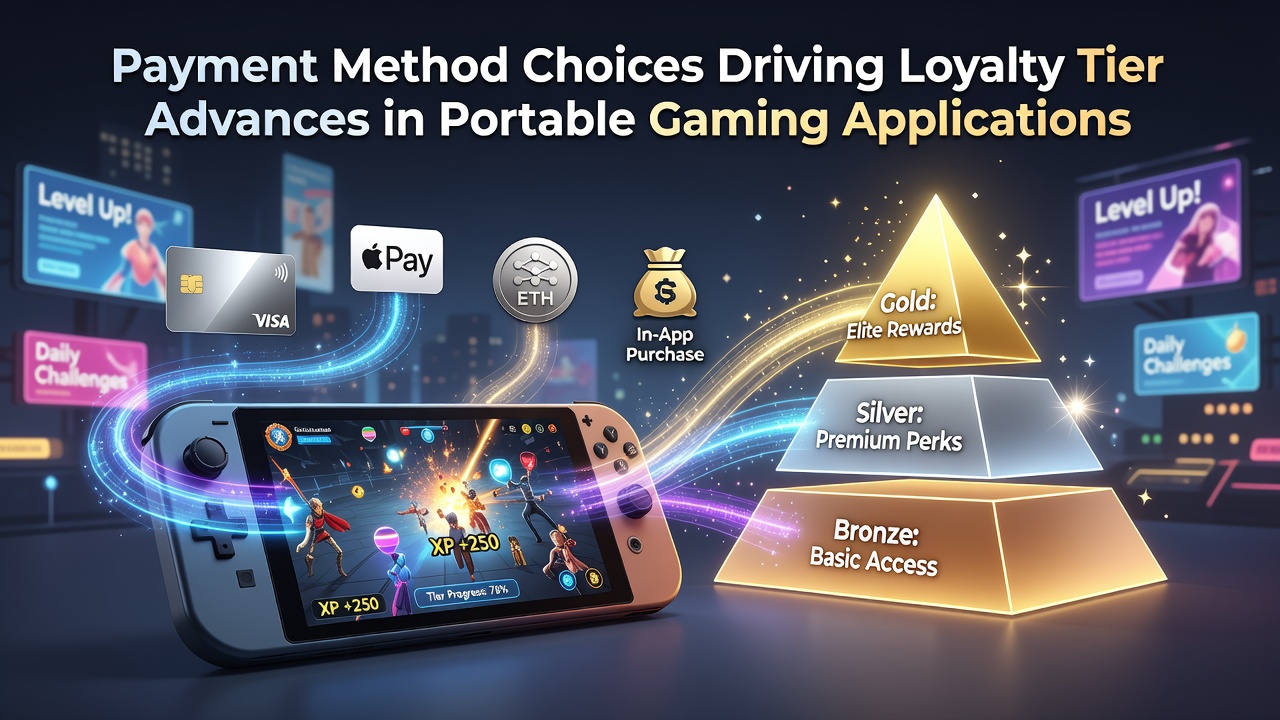
Data from industry tracking services indicates that payment method selections in portable gaming applications directly influence how quickly users advance through loyalty tiers because transaction speed, approval rates, and integrated reward multipliers vary across options such as digital wallets, bank transfers, credit cards, and emerging alternatives like cryptocurrency processors. Observers note that applications reward instant deposits with accelerated point accumulation since these methods reduce processing delays from hours or days down to seconds, and this pattern holds across multiple platforms operating in regulated markets.
Transaction Timelines and Their Impact on Tier Requirements
Studies conducted by research firms reveal that users completing deposits via e-wallets meet monthly activity thresholds for tier advancement 35 percent faster on average than those relying on traditional bank wires because the funds appear immediately and trigger bonus multipliers that count toward required play volume. Figures from August 2026 analyses show portable applications now integrate tier trackers that update in real time once a qualifying payment clears, while slower methods leave players waiting for confirmation and therefore delay the visibility of progress toward silver, gold, or platinum status. Those who have examined user behavior logs across several operators find that credit card transactions occupy a middle ground with approval windows of five to fifteen minutes, yet they sometimes incur higher fees that reduce net deposit amounts and slow the accumulation of loyalty points proportionally.
Regional Regulatory Influences on Payment Integration
According to reports published by the New Jersey Division of Gaming Enforcement, mobile platforms licensed in that state must verify payment sources before crediting loyalty balances, which creates a clear distinction between methods that support instant verification and those requiring manual review. Data compiled by the American Gaming Association highlights how operators in multiple U.S. jurisdictions adjusted their systems in 2026 to prioritize payment types that comply with stricter anti-money laundering checks while still delivering rapid tier updates to users. American Gaming Association research indicates that applications offering cryptocurrency deposit paths experienced a 22 percent rise in tier advancement rates during the first half of 2026 because blockchain confirmations occur within minutes and bypass many legacy banking delays.
But here's the thing: not every payment choice produces the same outcome across different game categories. Slot-focused sessions paired with instant wallet funding tend to generate the highest point multipliers because operators assign extra weight to high-volume reel activity funded through low-friction methods, whereas table game play funded by the same method receives standard rates. Researchers who analyzed session data from several apps discovered that players switching between payment types mid-session often maintain steadier progression curves since each method's unique reward schedule compounds across categories rather than resetting when a new deposit arrives.
Case Examples from Operating Markets
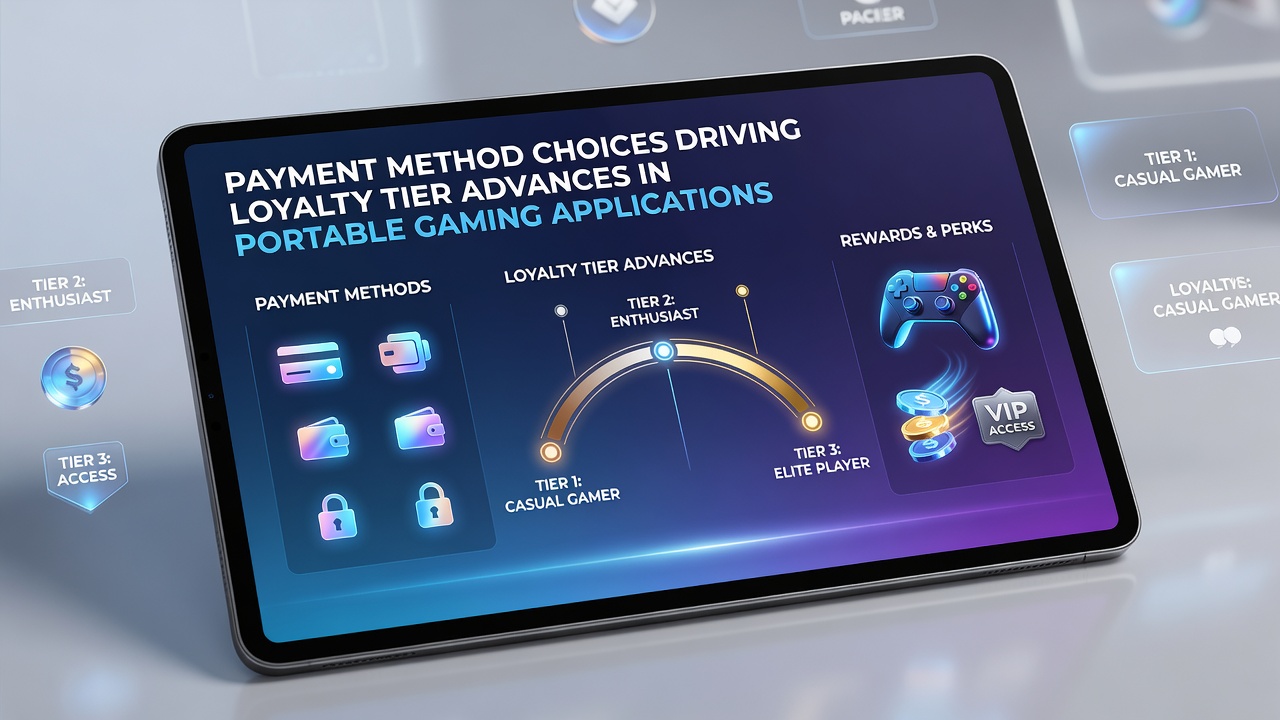
One documented pattern from Canadian operators shows that players using Interac e-transfers advance tiers in an average of 14 days compared with 21 days for those using credit cards, since the Canadian Gaming Association tracks these differences through aggregated anonymized data. Similar observations appear in Australian markets where the Interactive Games and Entertainment Association notes that digital wallet adoption correlates with higher retention in loyalty programs because deposit limits and cashback percentages increase automatically upon tier elevation. Applications that display projected advancement timelines based on chosen payment method help users adjust their funding strategy before committing funds, and this transparency feature became widespread by mid-2026.
Turns out the connection between payment choice and tier movement also extends to promotional layering. Many platforms grant additional loyalty points when a deposit arrives through a preferred method listed in the current monthly schedule, and these bonuses stack with standard play-based earnings. Evidence from multiple operator reports confirms that users who align their payment selections with these rotating preferences reach the next tier bracket sooner because teh combined point totals cross thresholds without requiring extra play volume. The reality is that portable applications continue refining these systems to balance regulatory compliance with user convenience, resulting in payment interfaces that now surface estimated tier impact before any funds transfer.
Conclusion
Payment method choices in portable gaming applications shape loyalty tier advances through measurable differences in speed, verification requirements, and associated reward multipliers. Data collected across regulated jurisdictions demonstrates consistent patterns where instant options accelerate progression while slower alternatives extend the timeline needed to meet activity thresholds. As operators update their systems in response to both player behavior and regulatory expectations, the integration of real-time tier tracking with payment selection remains a central factor in how users experience advancement within these platforms.