Patterns of Engagement in Multi-Game Mobile Platforms: Linking Promotional Mechanics to Long-Term User Activity
Written by Felix Meier · Jul 19, 2026
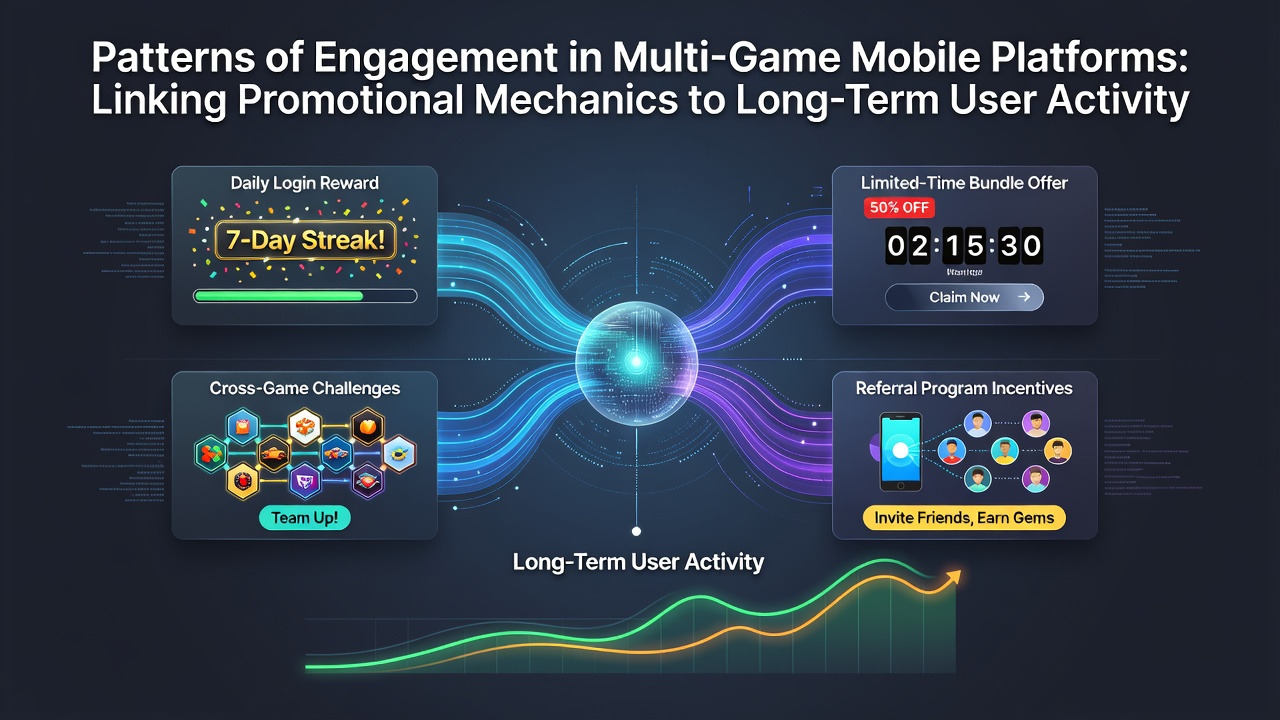
Patterns of Engagement in Multi-Game Mobile Platforms: Linking Promotional Mechanics to Long-Term User Activity
Multi-game mobile platforms combine slots, table variants, and live dealer options within single applications, and researchers track how promotional tools such as deposit matches, free spins, and tiered loyalty points shape user return rates over months rather than days. Data from platform analytics firms shows that users who receive sequenced incentives tend to log sessions across both reel-based and card-based titles, whereas single-type promotions correlate with shorter activity spans. Observers note that the timing of these mechanics, from initial welcome offers to ongoing milestone rewards, aligns with measurable shifts in daily active users and session duration.
Core Components of Multi-Game Mobile Ecosystems
Platforms structure their libraries so that reel mechanics feed directly into card game progressions through shared wallets and unified progress trackers, and this integration allows promotional credits earned on automated reels to carry over to live dealer tables without separate transfers. According to figures released by the Massachusetts Gaming Commission, hybrid applications recorded average monthly active user growth of 14 percent in the first half of 2025, driven largely by cross-genre reward pathways. Those pathways include level-up bonuses that unlock after a set number of spins or hands, and the same systems log participation across genres to calculate eligibility for higher-tier status.
Payment innovations further connect these elements because instant deposit approvals trigger immediate promotional unlocks that apply across game categories, and users who complete the deposit-to-play loop within the first hour show higher retention at the 90-day mark. Industry reports compiled by the Australian Gambling Research Centre indicate that platforms deploying time-sensitive deposit incentives see a 22 percent lift in multi-genre play compared with static bonus structures.
Promotional Mechanics and Their Sequencing
Initial offers typically arrive as matched deposits or free spin packages, yet the transition to sustained engagement depends on follow-up mechanics such as cashback tiers and loyalty multipliers that reset weekly or monthly. Researchers tracking anonymized session data observe that users who convert an opening bonus into activity on both slots and tables within the first week maintain longer overall lifecycles than those who remain within one category. The sequencing matters because early cross-genre exposure appears to establish habit loops that later rewards reinforce rather than initiate.
July 2026 brought updated compliance standards in several jurisdictions that require clearer disclosure of promotional expiration and wagering requirements, and platforms adjusted their in-app messaging accordingly while preserving the same underlying reward structures. Those adjustments coincided with measurable changes in how users interact with multi-step offers, particularly when incentives span both automated and live game environments.
Measured Patterns of Long-Term Activity
Longitudinal studies separate short-term spikes from sustained patterns by examining metrics such as return frequency after 30, 60, and 180 days. Data indicates that users exposed to progressive loyalty systems, where points accumulate across game types, demonstrate steadier session intervals than cohorts receiving only genre-specific promotions. One analysis of North American operator logs found that participants who reached the second loyalty tier through combined reel and table activity returned on 3.2 additional days per month on average compared with single-genre users at the same tier.
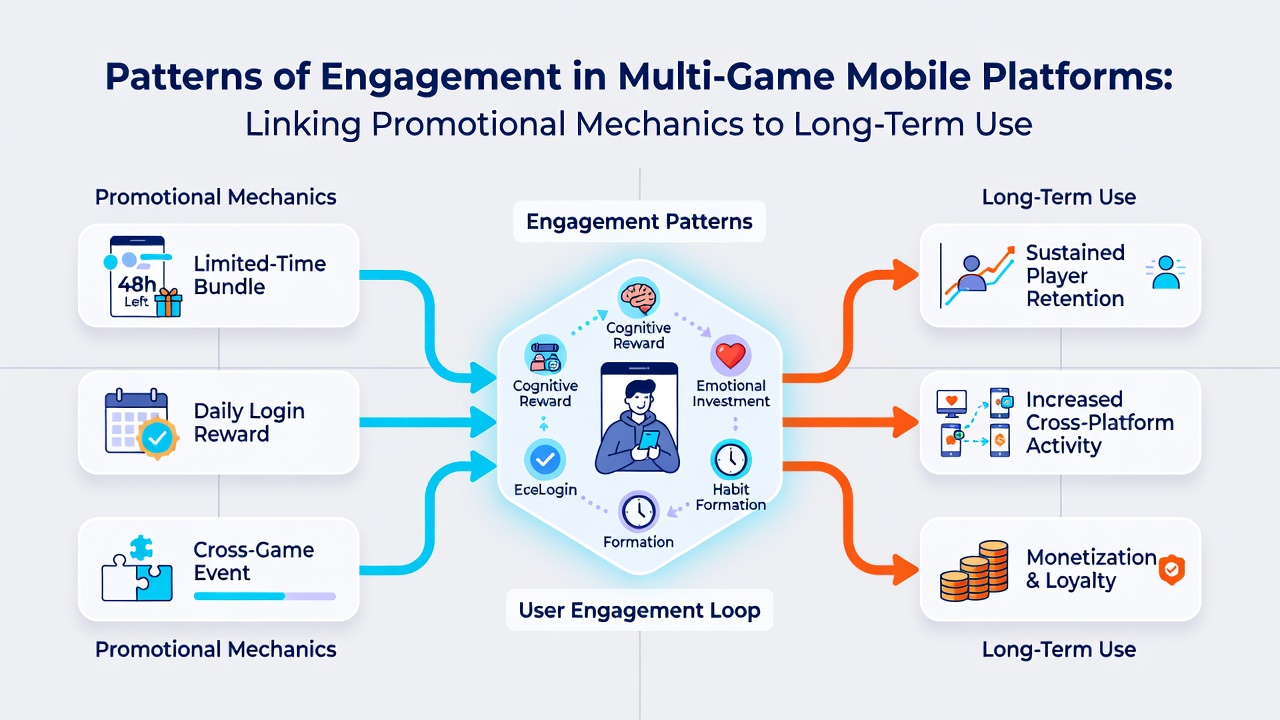
Cross-platform comparisons reveal that applications offering unified leaderboards and shared tournaments generate higher cross-genre movement, while segmented reward tracks keep users compartmentalized. The difference appears in aggregate playtime distribution rather than peak session length, and operators adjust promotional calendars to encourage the broader distribution when retention targets prioritize lifetime value over daily peaks.
Linking Mechanics to Retention Outcomes
Retention models treat promotional mechanics as independent variables and track dependent outcomes such as churn probability and lifetime deposit volume. Evidence from operator datasets shows that users who receive at least one cross-genre bonus within the first month exhibit lower churn rates at the six-month mark, and the effect strengthens when the bonus requires minimal additional deposits. Platforms therefore design entry-level offers that nudge exploration of secondary game types without mandating large follow-up commitments.
Geographic differences surface in how these links operate, with regulatory environments in the United States emphasizing responsible gaming disclosures that accompany every promotional message, whereas operators in other regions focus more on reward visibility. Both approaches influence how users perceive and act upon the offers, yet the underlying data patterns remain consistent across markets that permit multi-game mobile access.
Conclusion
Patterns of engagement on multi-game mobile platforms emerge from the deliberate alignment of promotional sequencing with user navigation across game categories, and available data continues to map those alignments to measurable differences in long-term activity. Operators refine their mechanics based on these mappings while regulatory updates shape how offers reach users, and the resulting systems provide ongoing material for further analysis of retention dynamics.