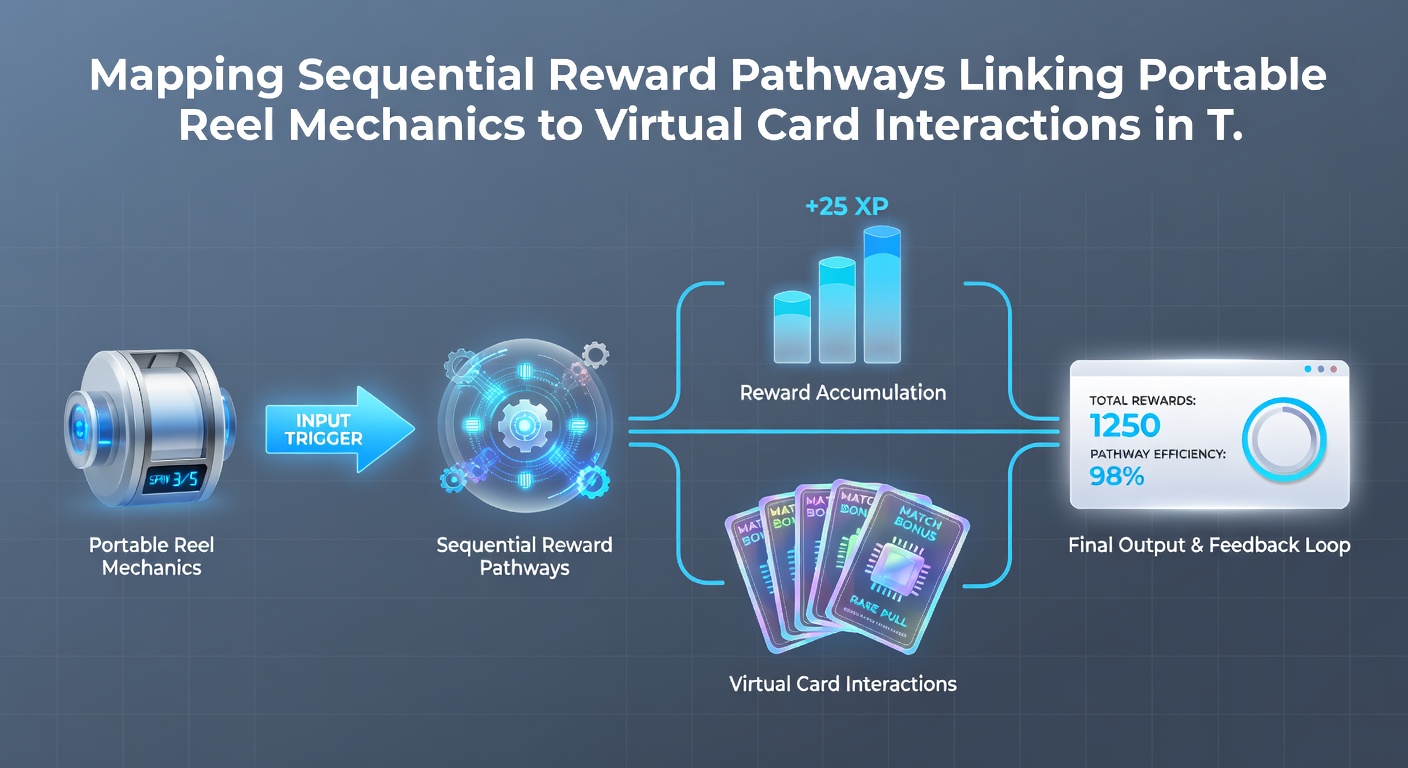
Mapping Sequential Reward Pathways Linking Portable Reel Mechanics to Virtual Card Interactions in Tiered Mobile Platforms
Written by Sage Bauer · May 24, 2026
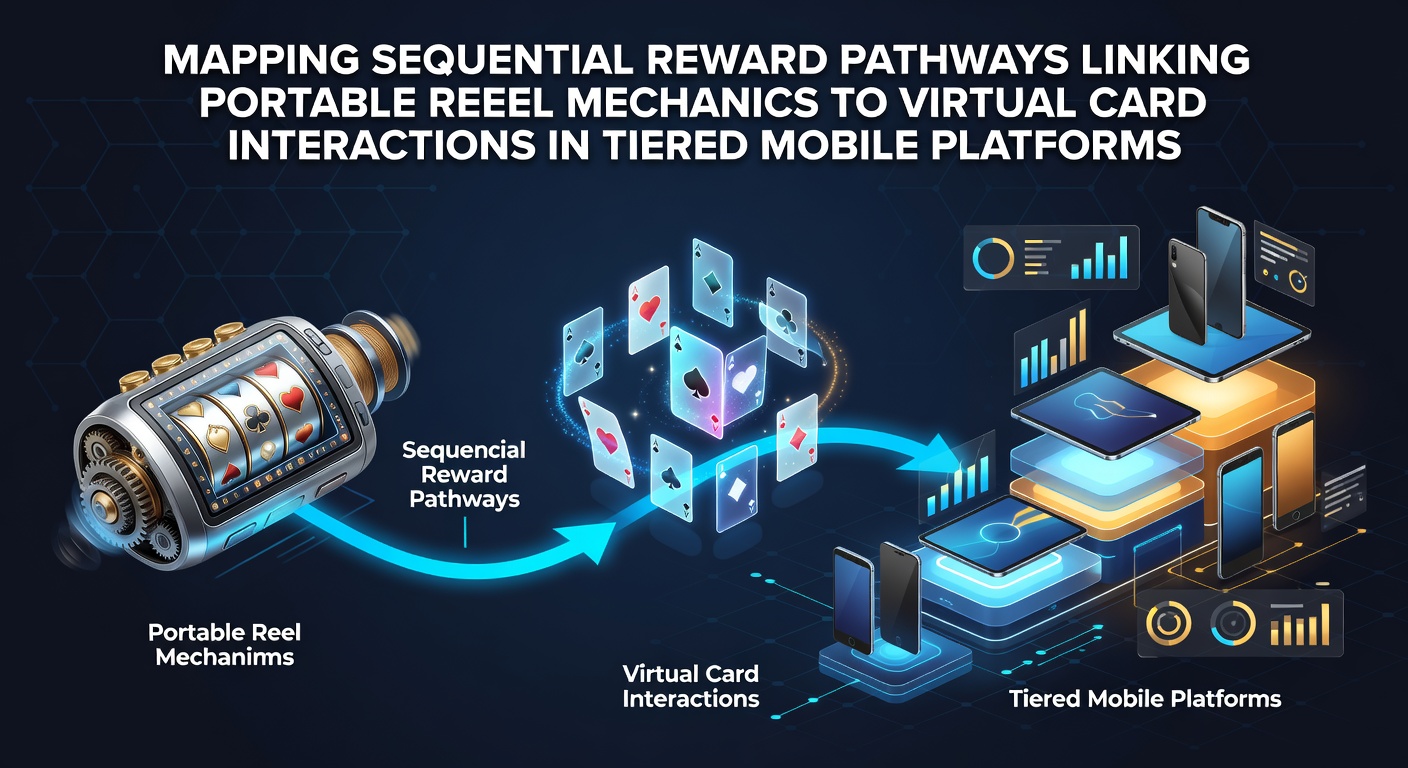
Mapping Sequential Reward Pathways Linking Portable Reel Mechanics to Virtual Card Interactions in Tiered Mobile Platforms
Mobile platforms have developed layered systems that connect reel-based mechanics with card game features through sequential reward structures. These pathways allow progress earned on portable reel sessions to influence virtual card interactions within the same application environment. Developers design tiered models where initial reel activity generates points or multipliers that transfer directly into card table bonuses, creating a continuous flow across game types. Observers note that this integration appears most clearly in apps supporting multiple verticals under one account framework. Data from industry reports indicate that mobile users often begin with reel spins before transitioning to card sections once certain thresholds activate. Portable reel mechanics track spin counts and symbol combinations to unlock entry-level card rewards such as matched bets or extended play credits. Virtual card interactions then build on those credits through specific hand outcomes or table participation levels. The sequence maintains user engagement by linking short reel bursts to longer card sessions without requiring separate logins or wallet transfers.Structure of Tiered Platforms
Tiered mobile platforms organize user progress into levels that determine reward velocity between reel and card environments. Lower tiers emphasize reel accumulation as the primary entry point, where consistent spins contribute to a shared loyalty meter visible across both game categories. Higher tiers unlock accelerated transfers, allowing card game results to feed back into reel features such as bonus round enhancements or free spin multipliers. Research indicates that these tiers typically reset or advance on monthly cycles, with May 2026 updates from several platforms introducing dynamic tier adjustments based on cross-game activity rather than isolated vertical performance. Users reach mid-tier status through combined reel and card volume, which then governs the speed at which sequential rewards propagate. Platform analytics track these movements to maintain balance across the ecosystem.Sequential Pathways in Practice
Sequential pathways operate through event triggers that move value from one mechanic to another. A series of reel wins might populate a card-specific meter that activates during blackjack or poker rounds, for instance. Conversely, successful card hands can populate reel features available on the next spin session. This bidirectional mapping relies on backend algorithms that monitor session data in real time. One study revealed that platforms employing such mappings report higher retention when reel-to-card transitions occur within the same play session rather than across separate visits. The pathways remain invisible to casual users yet appear in detailed activity logs accessible through account dashboards. External validation comes from regulatory filings that require transparency around how rewards cross game boundaries.