How Secure Transaction Networks Facilitate Engagement Across Diverse Digital Table and Reel Formats in Approved Jurisdictions
Written by Freya Schmid · Jun 23, 2026

How Secure Transaction Networks Facilitate Engagement Across Diverse Digital Table and Reel Formats in Approved Jurisdictions
Secure transaction networks form the backbone of licensed digital gaming operations, enabling players to move funds reliably between accounts and game interfaces while meeting strict compliance standards across multiple formats. These systems rely on encryption protocols and real-time verification layers that support both automated reel mechanics and interactive table environments without disrupting session flow.
Regulatory Foundations Across Key Markets
Approved jurisdictions establish clear rules for payment processing that tie directly to operator licensing requirements, and data from regulatory filings shows how these frameworks maintain separation between deposits, wagers, and withdrawals. In regions such as Nevada and New Jersey, oversight bodies require transaction networks to log every movement with timestamps and player identifiers, which creates audit trails that extend to both slot servers and live dealer platforms. Observers note that similar standards appear in Canadian provincial systems where iGaming Ontario publishes annual compliance summaries detailing how encrypted gateways reduce unauthorized access incidents.
European markets add another layer through directives that mandate two-factor authentication for larger transfers, while Australian state regulators track cross-border payment flows to ensure operators in approved areas cannot bypass local controls. Researchers at institutions studying digital commerce have documented how these layered requirements encourage the adoption of unified networks capable of handling reel-based random number generators alongside card-shuffling algorithms used in table games.
Technical Architecture Supporting Multiple Formats
Modern transaction networks employ tokenization and segregated wallet structures that let players fund accounts once and allocate balances across different game categories without repeated verification steps. This architecture proves especially useful when users switch between high-frequency reel spins and slower-paced table decisions, because the same authentication token remains valid for both environments. Industry reports indicate that such continuity reduces drop-off rates during format transitions, particularly in mobile sessions where screen real estate limits menu navigation.
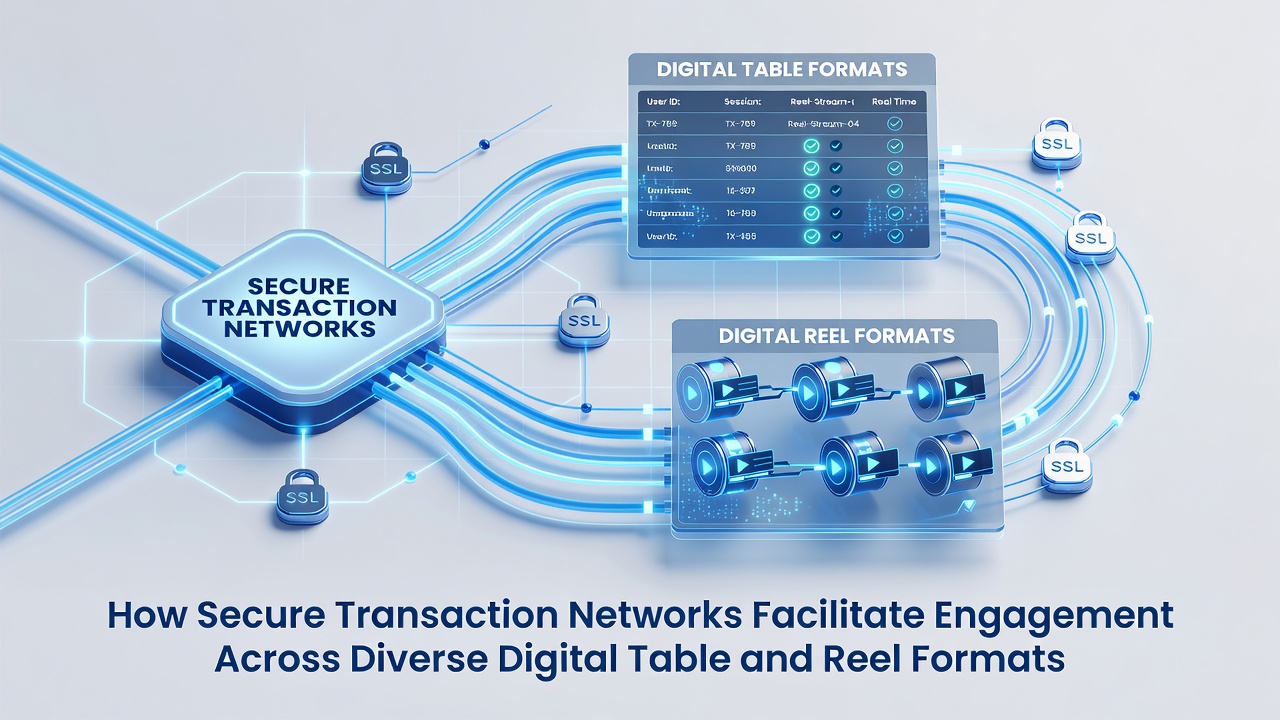
Payment gateways certified under PCI-DSS standards integrate with game servers through APIs that transmit only necessary metadata, shielding sensitive card details from the actual gaming logic. According to findings shared by the European Gaming and Betting Association, operators using these certified pathways report fewer interruptions when players move from progressive jackpot reels to blackjack tables within the same login period. The networks also accommodate region-specific payment instruments such as e-wallets popular in Asia-Pacific markets and bank transfers common in North American jurisdictions.
Player Engagement Patterns in June 2026 Context
As several North American states prepare regulatory expansions scheduled for rollout phases beginning June 2026, transaction networks are being updated to handle increased volume across both reel and table categories simultaneously. Figures released by state gaming commissions reveal steady growth in multi-format sessions, with secure processing times averaging under three seconds for deposits that fund either automated reels or dealer-hosted tables. Those who've analyzed transaction logs note that players often maintain separate balance pools within the same wallet yet execute transfers instantly when shifting strategies mid-session.
Case examples from licensed operators demonstrate how loyalty tracking systems pull data directly from transaction records, awarding progress toward tier benefits regardless of whether activity occurs on slot machines or virtual card tables. This integration relies on the network's ability to categorize each wager type accurately while preserving player anonymity where local laws require it.
Cross-Format Incentives and Compliance Checks
Secure networks enable operators to apply promotional credits across game types because the underlying ledger records every credit movement against verified player profiles. Data shows that when deposit bonuses carry wagering requirements, the same network validates completion whether the play occurs on reels or tables, preventing manual reconciliation errors. In jurisdictions like Malta and the Isle of Man, regulators require real-time reporting of these movements, which modern gateways deliver through automated feeds that update both gaming and financial databases concurrently.
What's significant is how these systems accommodate responsible gambling tools such as deposit limits and session reminders without forcing players to exit one format to adjust settings that affect all activity. The networks maintain a single control panel view, allowing adjustments to propagate across reel and table environments instantly.
Conclusion
Transaction networks certified for use in approved jurisdictions continue to evolve in response to both technological advances and regulatory updates, providing the infrastructure that lets players engage seamlessly with diverse digital formats. Evidence from multiple oversight bodies confirms that encryption standards, audit capabilities, and cross-platform compatibility remain central to sustaining activity levels while meeting legal obligations. As additional markets align their rules ahead of 2026 timelines, the same networks are positioned to support expanded participation across table and reel offerings without compromising security protocols.