How Notification Timing Influences Cross-Format Play Patterns in App-Based Wagering Environments
Written by Felix Meier · Aug 2, 2026
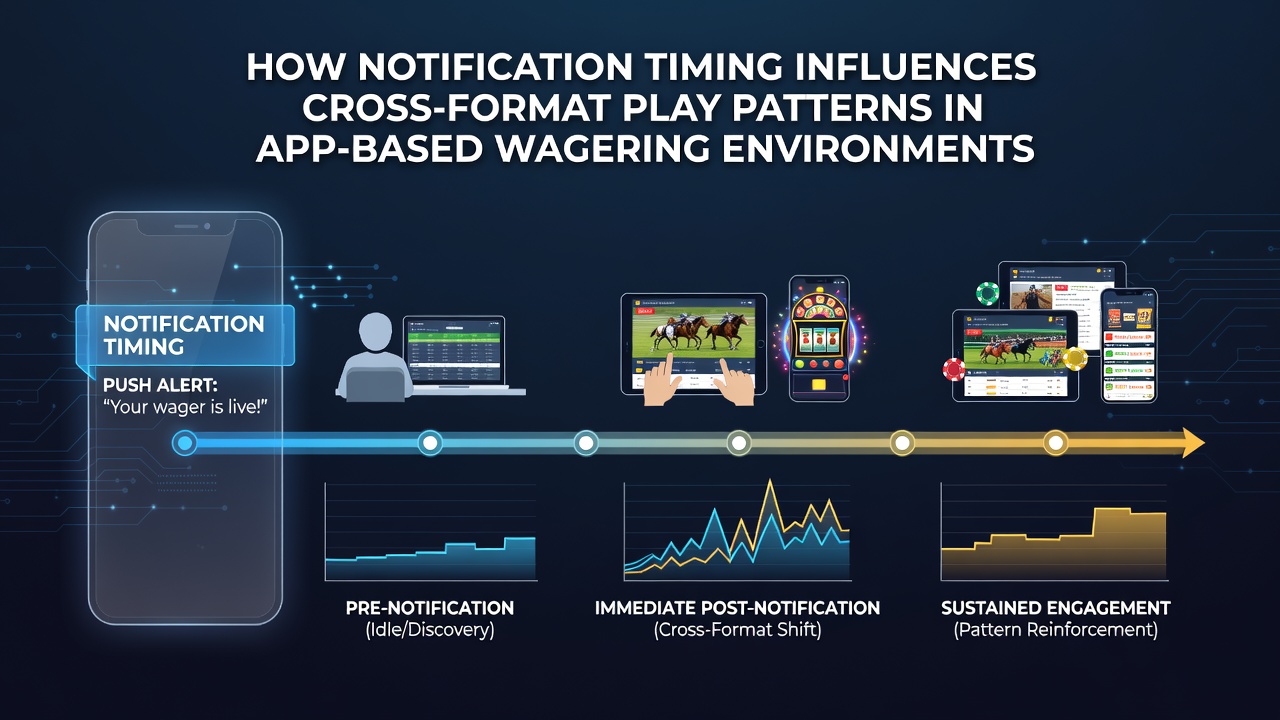
How Notification Timing Influences Cross-Format Play Patterns in App-Based Wagering Environments
App-based wagering platforms track how users move between slot machines and table games, and notification timing plays a measurable role in those transitions according to aggregated analytics from multiple operators. Developers schedule alerts at intervals that align with typical session lengths, which data shows can shift activity from one format to another within the same application. When a notification arrives during a prolonged slot session, users frequently open table game sections shortly afterward, whereas alerts sent at the start of a session tend to reinforce continued play in the original format.
Patterns in User Movement Across Game Types
Platform logs reveal that cross-format shifts occur most often within the first fifteen minutes after a notification lands, and operators have documented higher rates of table game entry when alerts reference live dealer availability or progressive jackpots. Those who've examined session data note that evening notifications produce more pronounced switches than daytime ones, because users often have longer uninterrupted blocks available. Research from the Gambling Research Exchange Ontario indicates that timing windows between 7 and 10 p.m. local time correlate with increased movement from automated reels to virtual card tables in North American markets.
Mechanics Behind Timed Alerts
Notification systems rely on push technology that delivers messages based on user location, previous activity, and time of day, and these factors combine to influence whether a player stays within slots or explores card-based options. Developers test delivery schedules against retention metrics, and results show that messages arriving midway through an established session generate more format changes than those sent immediately after login. In August 2026, several major platforms adjusted their alert cadences following internal reviews that linked specific intervals to measurable upticks in hybrid play sequences.
Users receive different categories of notifications, ranging from deposit bonuses to game-specific invitations, and the content itself interacts with timing to guide behavior. A bonus alert delivered during a table game round frequently directs attention back to slots once the current hand concludes, while the reverse pattern appears when slot-focused messages interrupt card sessions. Observers note that shorter intervals between notifications can produce rapid toggling, whereas spaced-out alerts allow deeper engagement within a single format before a switch occurs.
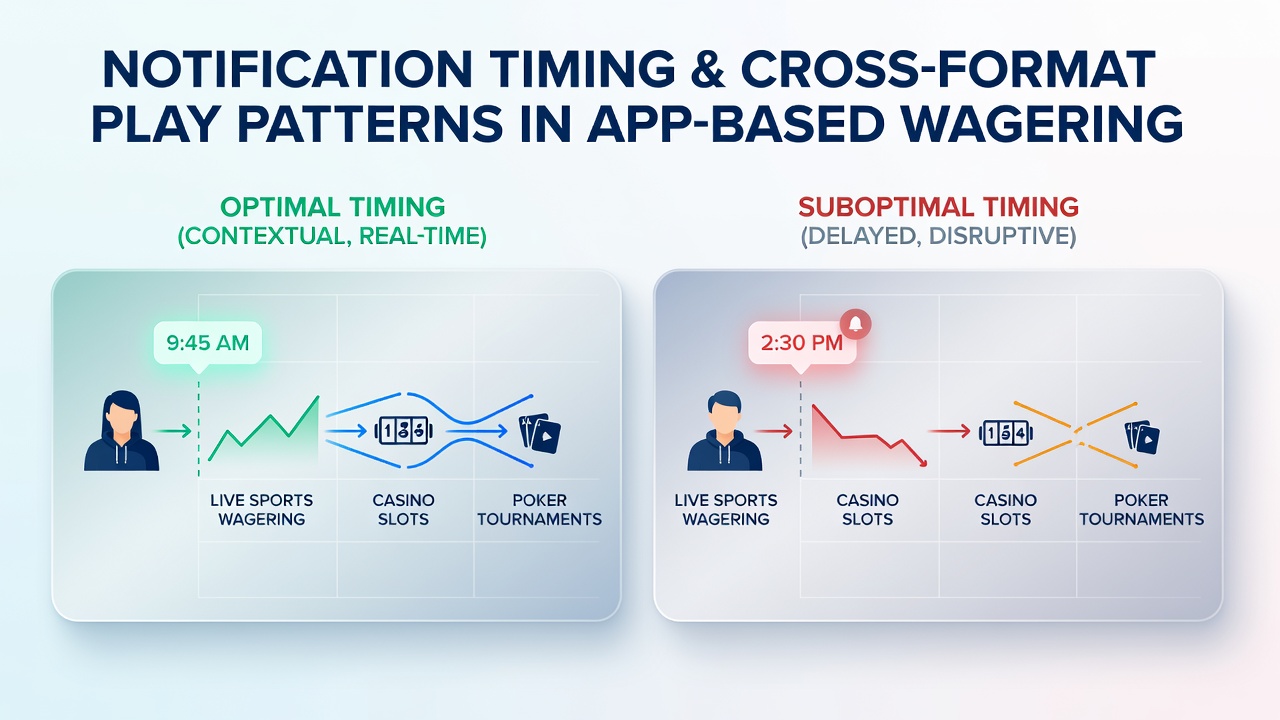
Data from Operator Reports and Regulatory Sources
Figures released by the Nevada Gaming Control Board track app-based activity across licensed platforms and show that timed notifications contribute to documented increases in multi-format sessions during peak hours. Similar patterns appear in reports from the Malta Gaming Authority, where operators submit quarterly data on user navigation between game categories. Those records indicate that alerts timed to coincide with jackpot resets or table limit changes produce higher rates of format switching than generic promotional messages.
Academic work from the University of Sydney's Gambling Research Unit has examined how message timing interacts with player decision points, and findings point to elevated cross-format activity when notifications arrive near natural break points such as the end of a reel spin sequence or completion of a card hand. Platform engineers incorporate these insights when calibrating delivery engines, and the resulting schedules aim to match user availability without overwhelming in-app activity logs.
Regional Variations in Notification Impact
European operators report that notifications sent during commute windows generate more table game entries from slot players, while Australian platforms observe stronger shifts toward slots when alerts land during evening leisure periods. These differences reflect local usage patterns rather than universal rules, yet the underlying mechanism remains consistent: timing determines whether users extend their current activity or explore the alternate format within the same application. Data from the Australian Communications and Media Authority supports observations that regional time zones influence the effectiveness of scheduled alerts in driving cross-format movement.
Conclusion
Notification timing shapes how players navigate between slot and table environments in app-based wagering systems, with delivery schedules directly affecting the frequency and direction of format switches. Aggregated records from regulatory bodies and research institutions continue to supply operators with evidence for refining alert strategies that align with observed user flows across game types.