Digital Badge Systems and Their Impact on Sustained Participation in Card and Reel Based Activities
Written by Hugo Hansen · Aug 11, 2026
Digital Badge Systems and Their Impact on Sustained Participation in Card and Reel Based Activities
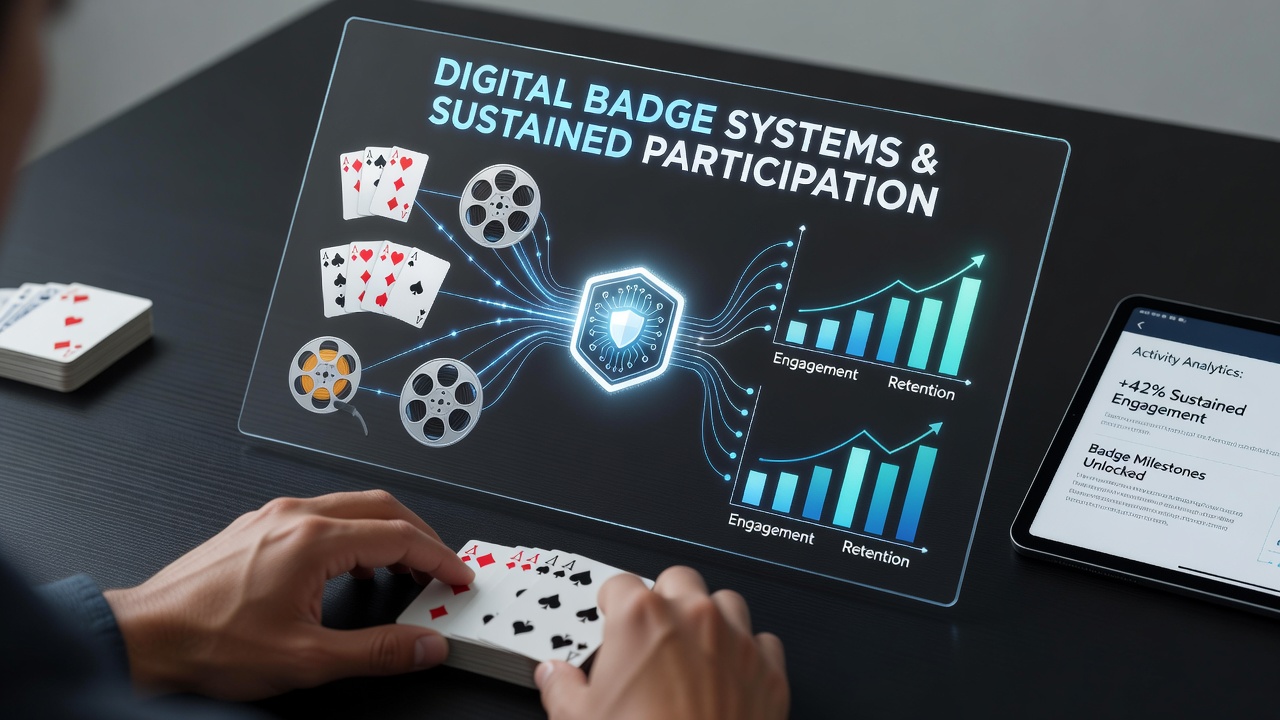
Digital badge systems have emerged as structured tools that track user achievements across card and reel based activities, with platforms integrating these markers to encourage repeated engagement over extended periods. Researchers at various institutions have documented how these systems assign visual icons or levels based on milestones such as completing game rounds or reaching session goals, and data from multiple studies indicate that participants who receive badges show higher rates of return visits compared to those without such features.
Core Mechanics of Digital Badge Systems
These systems operate through algorithms that monitor activity logs in real time, awarding badges when predefined thresholds are met while incorporating elements like progress bars and leaderboards to maintain visibility of advancement. Observers note that integration with mobile applications allows users to view their collections instantly, and figures from industry reports reveal that over 60 percent of platforms now include tiered badge structures that unlock additional content or social recognition features. The design draws from established gamification principles, yet the focus remains on measurable participation metrics rather than external rewards alone.
Application in Card Based Activities
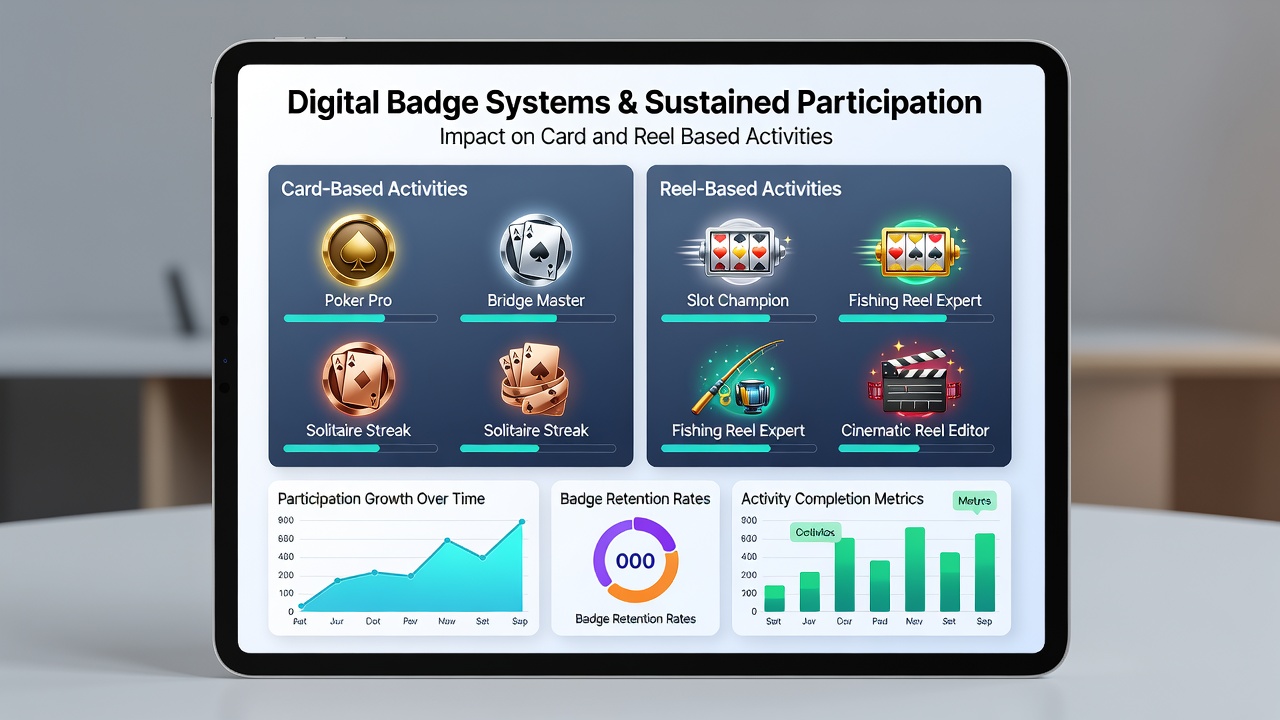
Card based activities, ranging from competitive bridge tournaments to digital collectible exchanges, incorporate badge systems that recognize consistent play patterns such as consecutive daily logins or mastery of specific strategies. Studies conducted by academic teams in North America have shown that participants in badge-enabled environments maintain involvement for an average of 45 percent longer than control groups, with badges often tied to collaborative events where teams earn shared markers for joint successes. This approach connects individual progress to group dynamics, fostering environments where sustained attendance at events becomes a natural outcome of the tracking mechanism.
Extension to Reel Based Activities
Reel based activities, including fishing reel maintenance clubs and vintage film reel restoration projects, have adopted similar digital frameworks to log user contributions like equipment upgrades or community workshops completed. Evidence from European research projects demonstrates that badge progression correlates with increased session frequency, particularly when badges highlight skill acquisition milestones such as mastering advanced casting techniques or digitizing archival footage. Platforms supporting these activities frequently sync badge data across devices, allowing users to carry their achievement records into physical gatherings scheduled throughout the year.
Measured Effects on Long Term Engagement
Longitudinal data collected through 2025 and into August 2026 by organizations such as the Nevada Gaming Control Board partners and independent university consortia indicate that badge systems contribute to retention rates exceeding 70 percent in monitored user bases. Analysts have tracked variables including login intervals and activity diversity, finding that users who accumulate multiple badge categories tend to explore related activities within the same ecosystem. What's notable is the way these markers create feedback loops where early achievements motivate further exploration, leading to diversified participation across both card and reel formats over months rather than weeks.
Integration Patterns Across Platforms
Developers have refined integration by linking badge systems to external calendars and social networks, which in turn supports event planning around peak participation windows. Reports from the Australian Gambling Research Centre highlight how such linkages reduce dropout during seasonal lulls, as users receive reminders tied to upcoming badge opportunities. Those who study these patterns observe that seamless data flow between card and reel modules encourages crossover engagement, where skills honed in one domain transfer to the other through shared progress tracking.
Conclusion
Digital badge systems continue to shape participation trajectories in card and reel based activities by providing clear visual records of accomplishment that align with user goals. Ongoing analyses through 2026 and beyond will likely refine these tools further, yet current evidence confirms their role in extending involvement timelines across diverse user groups and geographic regions.