Decoding the Flow of Incentives Between Reel-Based and Card-Based Activities in App-Driven Casino Worlds
Written by Xander Meier · May 19, 2026
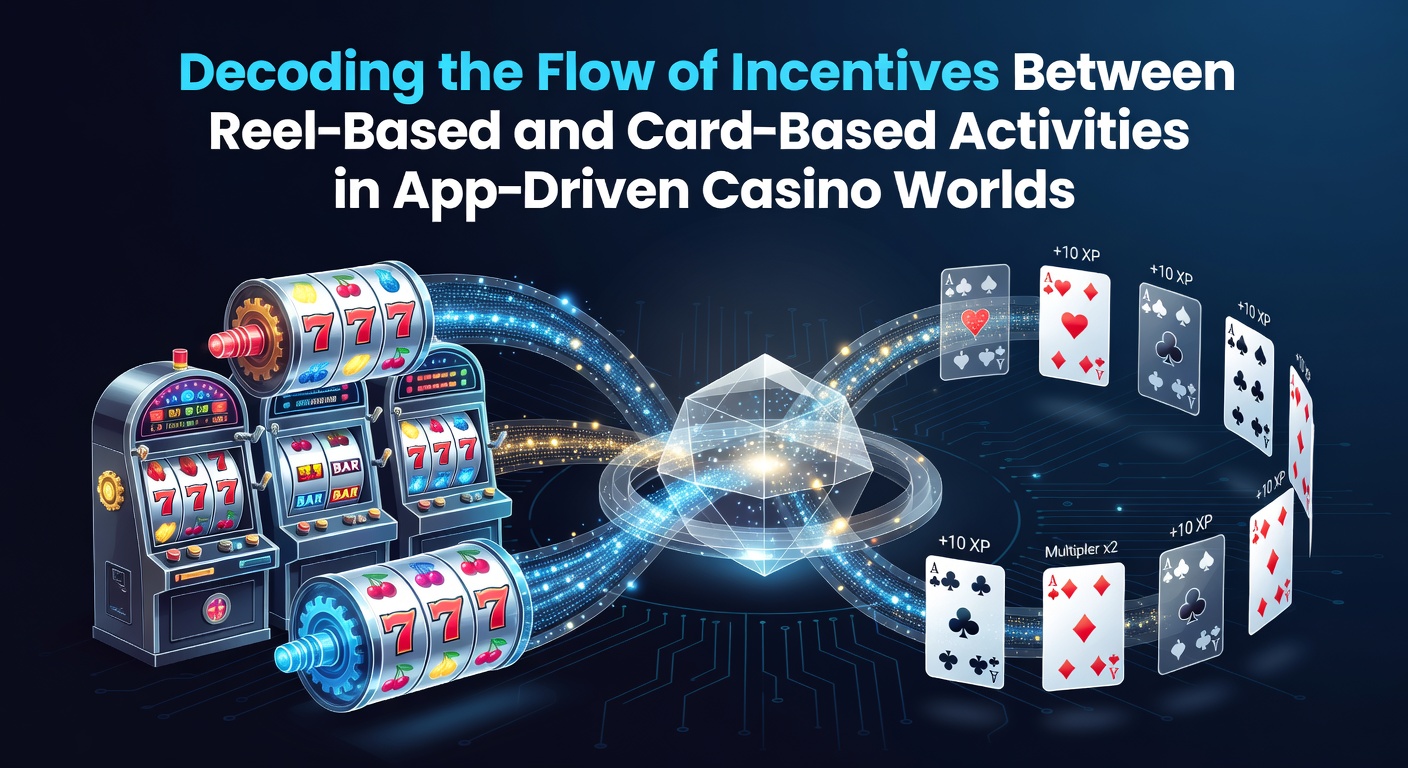
Decoding the Flow of Incentives Between Reel-Based and Card-Based Activities in App-Driven Casino Worlds
App-driven casino platforms integrate reel-based activities such as video slots with card-based options including blackjack and baccarat through unified player accounts that track and transfer rewards across both categories. Data from the New Jersey Division of Gaming Enforcement shows that mobile users who alternate between these game types maintain longer session durations while accumulating points that convert into tiered benefits like deposit matches or exclusive tournament entries.
Reel-based incentives typically center on free spin packages tied to deposit thresholds or daily login streaks, whereas card-based rewards often involve cashback percentages on table game wagers and comped play time that scales with bet size. These structures operate within the same backend systems, allowing points earned from spins to unlock reduced rake in poker rooms or accelerated comp levels at live dealer tables. Observers note that this crossover mechanic appears in most major operators' applications, where progress bars update in real time across game categories.
Mechanics of Cross-Game Reward Transfers
Developers build these flows using shared loyalty ledgers that assign weighted values to different game types. A spin on a reel game might generate one loyalty point per dollar wagered, while a hand of blackjack contributes at a higher multiplier because of lower house edge calculations. Players who complete weekly challenges in slots receive bonus chips that apply directly to card game buy-ins, creating a seamless loop that encourages exploration of both formats within a single session.
Payment innovations further support this integration. Instant deposit methods trigger time-limited multipliers that affect both reel and card play, and withdrawal processing times remain consistent regardless of where the funds originated. Figures from industry reports reveal that operators who synchronize these timelines see increased movement between game verticals, with users shifting from high-volatility slots to strategy-focused table games after unlocking a shared bonus pool.
Player Behavior Patterns in Mobile Environments
Studies conducted by the Canadian Gaming Association track how users navigate between these categories over multi-day periods. Participants who begin with reel-based sessions often transition to card games once accumulated free spins convert into table game credits, while those starting at blackjack tables frequently return to slots after earning comp points that reduce minimum bet requirements on progressive machines. This pattern holds across age demographics, although younger users show higher rates of rapid switching within the same hour.
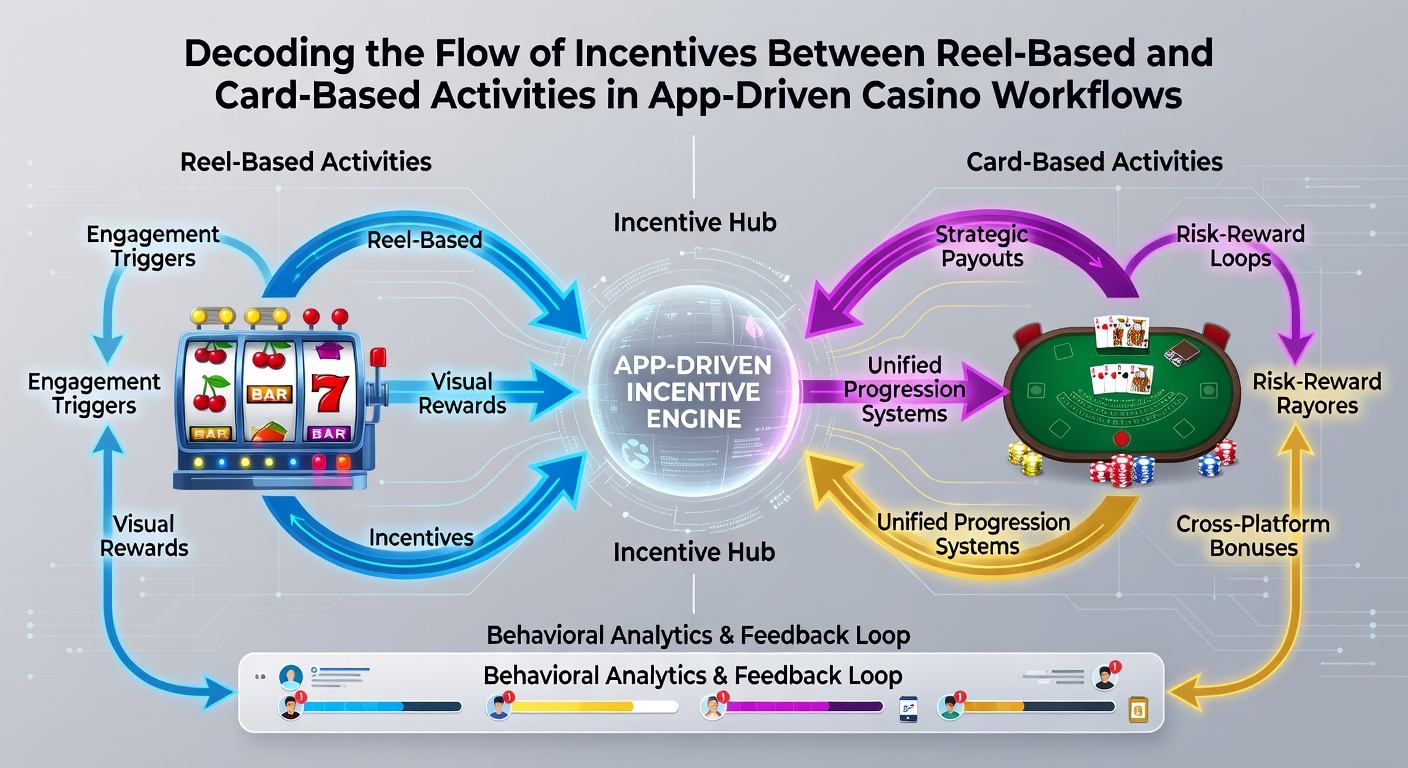
App notifications play a central role in directing this flow. Push alerts inform users when points from recent spins reach thresholds that unlock card-specific perks, such as lower house edge variants or private table access. Data indicates these prompts increase cross-category play by measurable margins, particularly during evening hours when mobile traffic peaks.
Regulatory Frameworks Shaping Incentive Structures
Regulators in multiple jurisdictions require clear disclosure of how rewards transfer between game types. The Malta Gaming Authority mandates that operators publish the conversion rates for loyalty points earned on reels versus cards, ensuring players understand the relative value before committing funds. Similar rules in Australian states emphasize audit trails that verify points move correctly when users switch between app sections, preventing discrepancies that could affect bonus eligibility.
These requirements have led to standardized tracking tools embedded in most applications. Real-time dashboards display current balances and projected rewards for each category, allowing users to plan sequences that maximize returns across both reel and card activities. As of May 2026, several platforms introduced enhanced audit features that export detailed histories of incentive movements for regulatory review.
Future Developments and Integration Trends
Industry roadmaps point toward deeper synchronization through artificial intelligence that predicts optimal game sequences based on individual play histories. Systems already test dynamic adjustments where points earned on reels temporarily boost card game payouts during promotional windows, and vice versa. Research institutions examining these prototypes report that such features maintain compliance while expanding player choice within regulated environments.
Partnerships between software providers and payment processors continue to streamline teh underlying infrastructure. Faster transaction confirmations reduce friction when players move funds between reel and card wallets, supporting the incentive flows that keep users engaged across multiple game formats in a single app session.
Conclusion
The movement of incentives between reel-based and card-based activities in app-driven casinos relies on interconnected loyalty systems, real-time tracking, and regulatory oversight that together shape how rewards accumulate and transfer. Operators continue refining these connections through updated app features and compliance tools, with measurable effects on session length and category exploration documented in multiple regional reports. As platforms evolve, the documented patterns of cross-game play provide a clear picture of how these flows operate within current mobile casino environments.