Deciphering Volatility Indexes and Their Role in Shaping Promotional Tier Advancements Across Mixed Game Type Networks
Written by Felix Meier · Jul 12, 2026
Deciphering Volatility Indexes and Their Role in Shaping Promotional Tier Advancements Across Mixed Game Type Networks
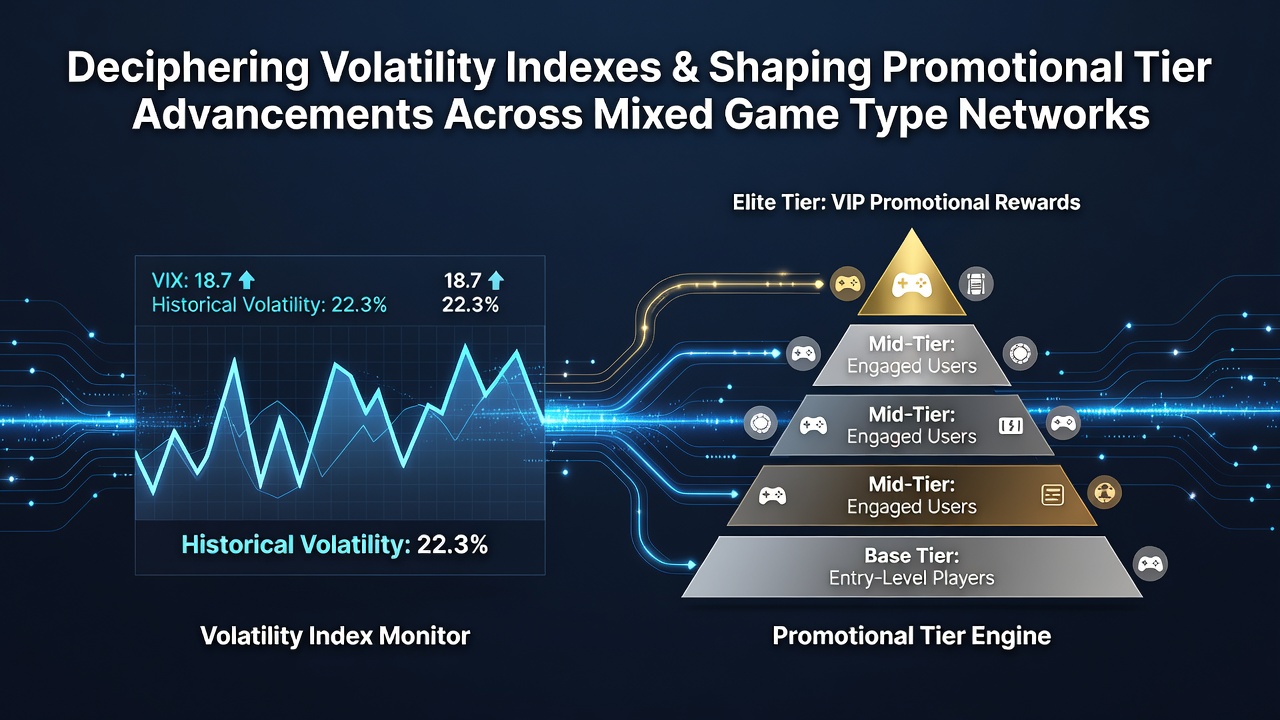
Volatility indexes function as standardized measures that quantify payout variance in casino games, and observers note these figures directly influence how operators calculate promotional credits and tier progression points in networks that combine reel-based machines with card-driven tables. Research from the University of Nevada, Las Vegas Center for Gaming Research shows high-volatility slots generate larger but less frequent wins while low-volatility options deliver steadier smaller returns, creating distinct patterns that platforms must reconcile when awarding loyalty rewards across hybrid environments.
Core Components of Volatility Measurement
Operators assign numeric volatility scores based on standard deviation of returns, and these scores feed into algorithms that weight player activity for tier status; a slot with a volatility index above 8.0 typically contributes fewer advancement points per wager than one rated below 4.0 because the platform accounts for the wider swings in outcomes. Mixed-game networks therefore apply conversion tables that normalize points from automated reels against live dealer sessions, ensuring participants who favor high-volatility titles do not face disproportionate delays in reaching higher reward brackets.
Figures from the American Gaming Association's 2025 industry report indicate that 67 percent of multi-platform operators now integrate real-time volatility data into their loyalty engines, and this integration allows dynamic adjustment of bonus multipliers when players switch between game categories during a single session.
Cross-Game Type Adjustments in Tier Systems
Promotional structures in these networks assign tier credits using formulas that incorporate both wager volume and volatility-adjusted risk exposure, so a player accumulating play on medium-volatility blackjack tables may advance faster than one focused exclusively on high-volatility progressive slots even when total amounts wagered remain identical. Data compiled across several state-licensed platforms reveals that networks employing such adjustments record a 22 percent higher retention rate among mixed-game participants compared with systems that apply flat multipliers regardless of game variance.
One operator in the Midwest implemented volatility-weighted pathways in early 2026, and internal metrics released that July showed accelerated movement from silver to gold tier among users who balanced their activity between automated reels and virtual card tables. The adjustment reduced complaints about uneven progression while maintaining overall promotional costs within projected ranges.
Practical Implementation Across Networks
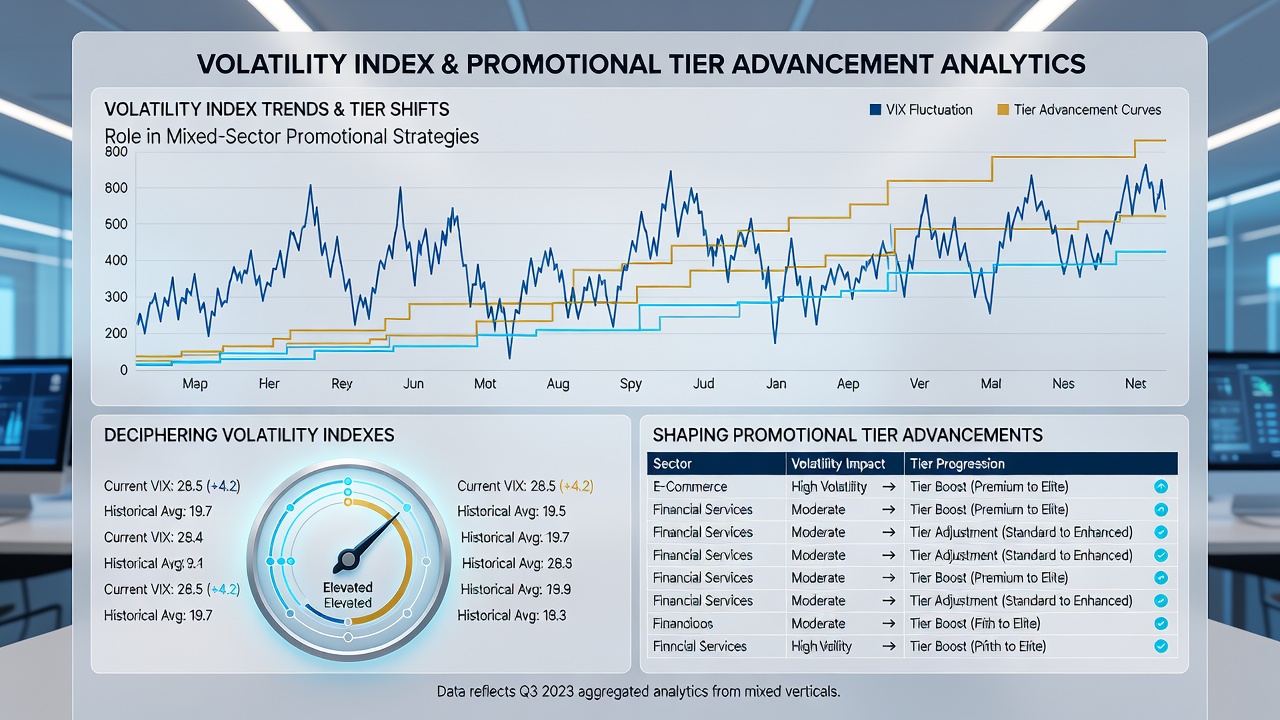
Platform architects embed volatility indexes into backend dashboards that track session-level variance, and these dashboards trigger automated offers when a player's cumulative risk profile meets predefined thresholds; for example, someone who completes a high-volatility bonus round may receive a targeted table-game credit designed to encourage diversification. Regulatory filings submitted to the New Jersey Division of Gaming Enforcement in mid-2026 documented that several large networks began publishing simplified volatility guides for players, allowing individuals to preview how different game selections would affect their personal advancement timelines.
Analysts at the Australian Gambling Research Centre have examined similar systems deployed on international platforms, and their findings demonstrate that transparent volatility labeling correlates with steadier engagement across both slot and table segments. Networks that fail to align volatility data with tier mechanics often experience clustering, where players concentrate activity in narrow game subsets to maximize perceived progress.
Future Developments in Hybrid Environments
Emerging standards propose uniform volatility reporting protocols that operators could adopt across jurisdictions, and preliminary discussions among industry groups suggest these protocols would streamline cross-platform loyalty transfers. In July 2026 several major networks began testing unified scoring modules that blend volatility indexes from reel and card products into a single advancement metric, reducing friction for users who migrate between portable and desktop interfaces.
Continued refinement of these models depends on access to granular session data, yet early adopters report improved accuracy in forecasting tier population growth when volatility factors receive explicit weighting in the underlying calculations.
Conclusion
Volatility indexes provide measurable inputs that operators use to calibrate promotional tier systems across mixed game networks, and the integration of these metrics supports more consistent player movement between slot and table environments. Platforms that embed variance data into loyalty algorithms demonstrate measurable differences in retention and session distribution, while ongoing standardization efforts aim to extend these benefits across additional markets.