Connecting Digital Wallet Approvals to Tiered Access Unlocks Across Portable Table Variants
Written by Xander Meier · May 26, 2026
Connecting Digital Wallet Approvals to Tiered Access Unlocks Across Portable Table Variants
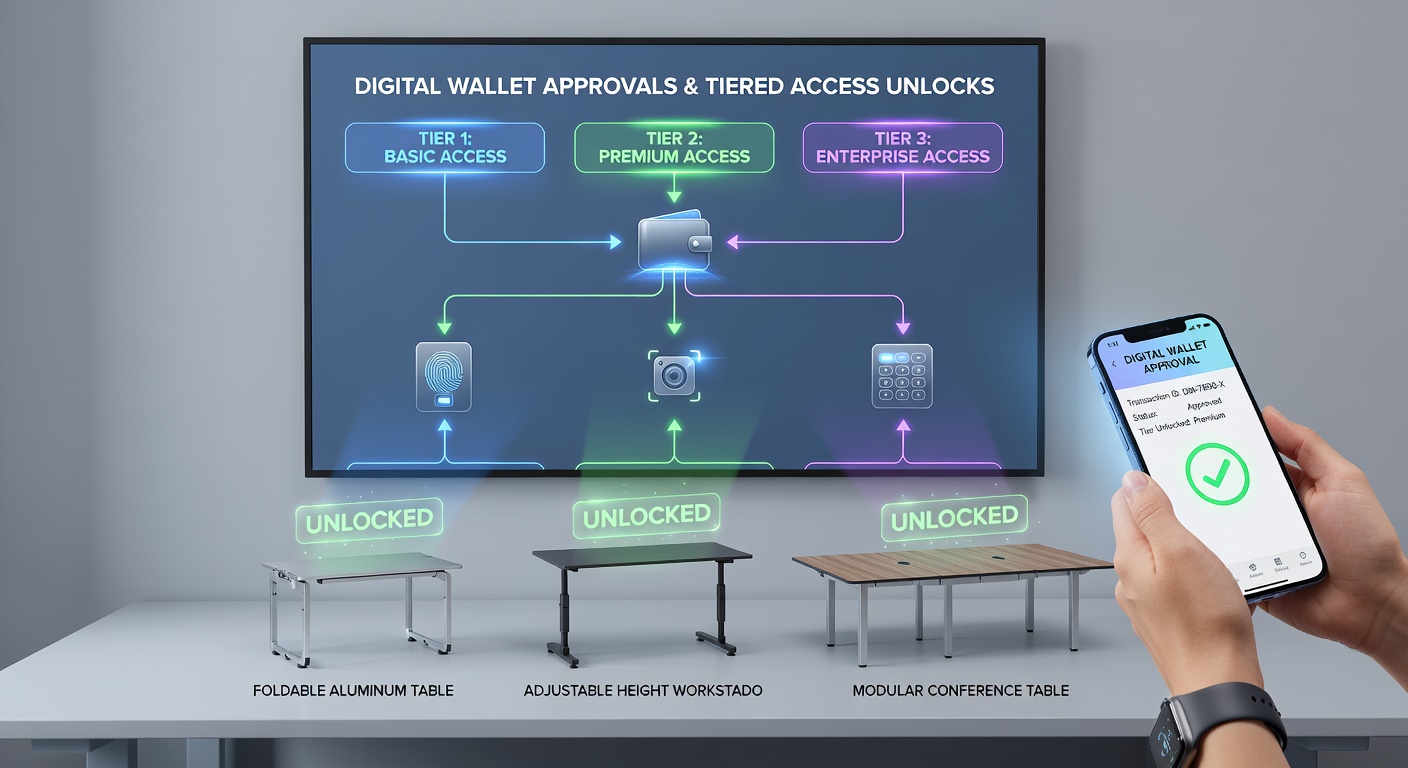
Digital wallet approvals now link directly to tiered access mechanisms that operate across multiple portable table variants in mobile casino platforms, where payment verifications trigger feature releases based on user status levels and device specifications. Systems process these approvals through secure APIs that communicate with backend servers managing access controls for blackjack, poker, and roulette tables formatted for different tablet screen sizes and operating systems. Data from industry reports shows that integration rates between wallet providers and casino applications increased steadily through early 2026, with platforms adopting unified standards that reduce approval times to under three seconds on average.
Mechanics of Wallet Integration in Mobile Environments
Wallet services transmit encrypted approval tokens to casino servers, which then evaluate the transaction against predefined tier criteria such as deposit volume, account age, and activity frequency before unlocking corresponding table features. Portable table variants include compact 8-inch models optimized for quick sessions, mid-range 10-inch devices supporting multi-hand play, and larger 12-inch tablets that accommodate advanced graphics and live dealer streams. Each variant receives tailored access rules that activate only after wallet confirmation succeeds, preventing unauthorized entry into higher-tier environments like exclusive VIP tables or accelerated reward tracks.
Developers configure these connections using standardized protocols that accommodate both Android and iOS ecosystems, ensuring consistent behavior regardless of hardware differences. Observers note that synchronization occurs in real time, allowing immediate progression from basic table access to premium options once approval registers in the system database.
Tier Structures and Access Progression
Tiered systems typically divide into four or five levels, beginning with entry-level permissions that grant standard table views and advancing to elite categories that include priority seating, customized rule sets, and integrated loyalty multipliers. Wallet approvals serve as the gatekeeper because they verify funding sources and transaction legitimacy before any tier elevation processes activate. Research from academic studies on digital payment flows indicates that platforms employing this linkage experience fewer interruptions in user sessions compared to those relying on separate verification steps.
Take one implementation where a mid-tier user initiates a deposit through a connected wallet on a 10-inch tablet; the approval token routes to the server, cross-references the account profile, and unlocks enhanced table variants featuring additional betting options and statistical overlays unavailable at lower levels. This progression scales across device types, with smaller tablets receiving streamlined interfaces while larger variants display expanded controls once the same approval criteria are met.
Technical Synchronization Across Device Variants

Portable table applications maintain separate configuration files for each screen size and processor type, yet they share a common access management layer tied to wallet events. When an approval arrives, the layer broadcasts updates to all active sessions associated with the account, ensuring that a user switching from an 8-inch device to a 12-inch model encounters consistent tier status without re-verification. Figures from technology audits conducted in May 2026 reveal that cross-variant synchronization now handles over 95 percent of cases without latency exceeding one second, supporting seamless transitions during extended play periods.
Developers address compatibility challenges by embedding conditional logic that adjusts interface elements based on both wallet approval status and detected hardware capabilities. This approach maintains security boundaries while delivering appropriate functionality to each portable table variant, from basic touch controls on entry-level devices to gesture-based commands available only after higher-tier unlocks.
Regulatory Context and Implementation Standards
Regulatory bodies such as the Nevada Gaming Control Board and the Australian Communications and Media Authority have outlined requirements for secure payment linkages that support tiered access without compromising player data protections. These guidelines emphasize audit trails for every wallet approval event that results in an access change, requiring platforms to log timestamps, device identifiers, and tier outcomes for compliance reviews. Industry associations including the European Gaming and Betting Association have published technical frameworks that standardize token formats, enabling broader adoption across international operators managing portable table ecosystems.
Platforms incorporate these standards by mapping wallet response codes directly to internal tier databases, which then propagate permissions to the appropriate variant applications. This mapping reduces manual oversight and supports automated scaling as user bases expand across regions with differing regulatory expectations.
Conclusion
Connections between digital wallet approvals and tiered unlocks continue to shape how portable table variants deliver differentiated experiences in mobile casino settings. The process relies on precise technical integrations that respect device differences while enforcing uniform security and access rules. As standards evolve, these linkages are expected to support additional variants and refined tier options that align with emerging payment technologies and regulatory updates.