Caesars Entertainment Moves Toward Private Ownership in Fertitta-Led Transaction
Written by Hugo Hansen · May 31, 2026

Caesars Entertainment Moves Toward Private Ownership in Fertitta-Led Transaction
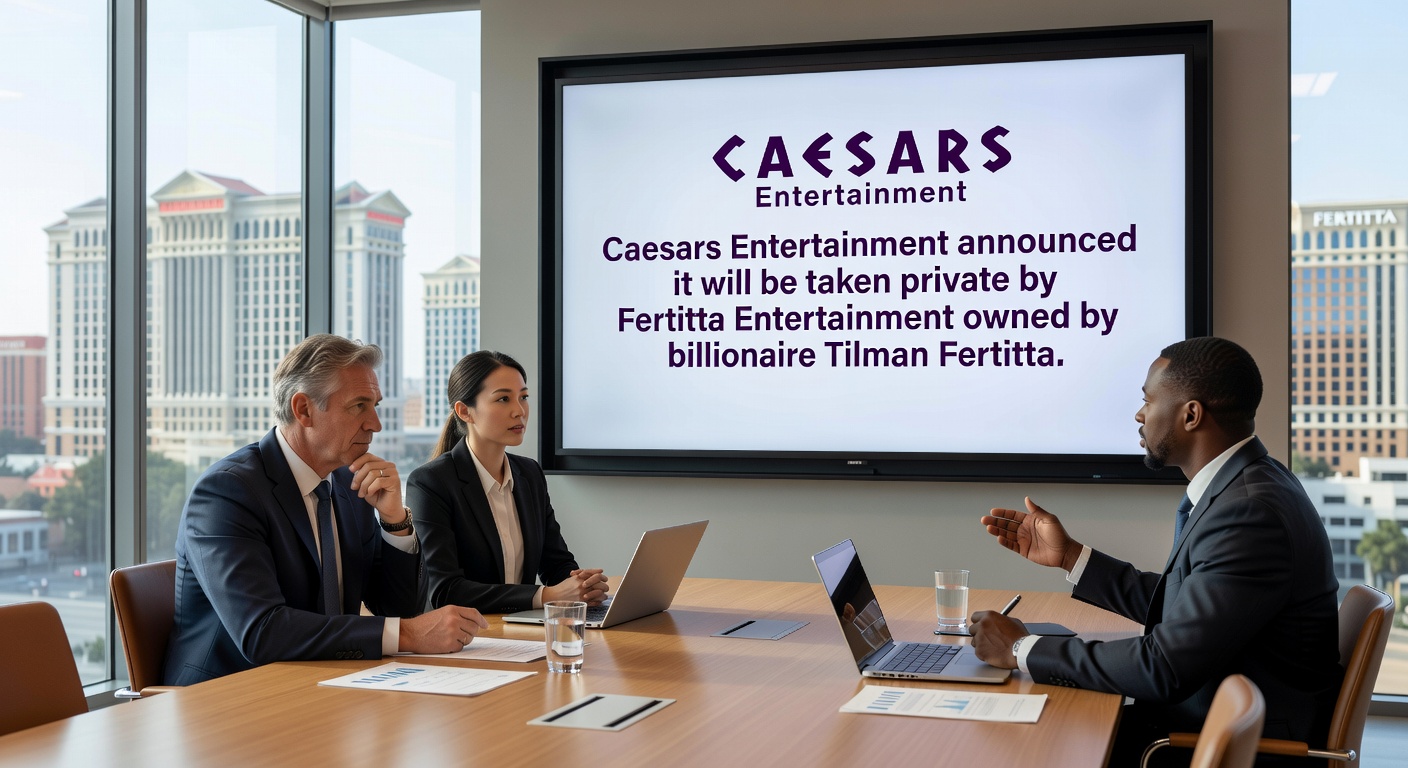
Caesars Entertainment has entered into an agreement that would take the company private through an acquisition by Fertitta Entertainment, the entity controlled by billionaire Tilman Fertitta, in a transaction valued at $17.6 billion or $31 per share. The offer represents a 49 percent premium over the closing price on February 25 before any rumors surfaced, and the structure involves the assumption of nearly $12 billion in existing debt alongside fresh equity and debt financing arranged through ten banks.
Structure of the Proposed Deal
The transaction incorporates a go-shop period that extends until July 11, during which Caesars may solicit alternative proposals, while final completion hinges on approvals from shareholders and multiple regulatory bodies. Once finalized the combined operations would encompass approximately sixty casinos and gaming facilities across various jurisdictions, creating one of the larger consolidated portfolios in the American gaming sector. Antitrust considerations have already surfaced around overlapping markets such as Atlantic City where divestitures could become necessary to secure clearance.
Financing details indicate that equity contributions from Fertitta Entertainment will pair with debt packages from the ten participating banks, supporting both the cash payout to shareholders and the assumption of Caesars' existing obligations. Observers note that this approach mirrors previous large-scale take-private deals in hospitality and gaming where balance-sheet leverage plays a central role in closing.
Background on the Parties Involved
Fertitta Entertainment operates as the holding company for Tilman Fertitta's gaming and hospitality interests, which already include the Golden Nugget brand and several regional properties. Caesars Entertainment meanwhile maintains a national footprint that spans legacy brands such as Caesars Palace, Harrah's, and Horseshoe along with newer digital and sports-betting initiatives. The combination would integrate these portfolios under single private ownership, removing the reporting requirements and market pressures associated with public-company status.
Regulatory and Antitrust Pathways
Regulatory review will involve gaming control boards in states where both entities hold licenses, with particular attention to markets where property counts could trigger concentration concerns. Atlantic City represents one such area because multiple Caesars and potential Fertitta assets sit within the same regional market. Industry participants have seen similar situations resolved through asset sales or joint-venture restructurings that preserve competition while allowing the broader transaction to proceed.
Shareholder approval requires a majority vote under standard corporate procedures, and the go-shop window provides a formal mechanism for any competing bids to emerge before the agreement becomes exclusive. Data from comparable transactions shows that go-shop periods occasionally produce higher offers, although many deals close with the original bidder once financing is secured.
Financing and Market Context
The ten-bank syndicate supplying debt components brings together institutions with prior experience in gaming-sector lending, where asset-backed facilities often rely on stable cash flows from resort operations. Equity from Fertitta Entertainment supplies the balance of the purchase price, consistent with structures that keep total leverage within parameters acceptable to both lenders and regulators. According to filings referenced in industry coverage the per-share price of $31 delivers immediate value to Caesars shareholders while shifting future performance risk to the new private owners.
Market analysts have tracked rising interest in take-private activity across the casino sector as operators seek flexibility outside quarterly earnings cycles. The Caesars transaction fits this pattern because it bundles real-estate assets, operating licenses, and online platforms into a single privately held entity that can pursue longer-term capital projects without public-market scrutiny.
Timeline and Next Steps
Following the July 11 conclusion of the go-shop period the parties will seek the remaining shareholder and regulatory consents. Typical timelines for such approvals range from six to twelve months depending on the complexity of multi-state reviews, although the exact schedule will become clearer once initial filings are submitted. Any required divestitures would be negotiated concurrently with those approvals to avoid delaying the overall closing.
Industry associations such as the American Gaming Association have published reports on consolidation trends that place this deal within a broader wave of ownership changes. State-level regulators including the New Jersey Division of Gaming Enforcement will examine competitive impacts in Atlantic City, drawing on precedents established in earlier mergers within the same market.
Conclusion
The proposed transaction between Caesars Entertainment and Fertitta Entertainment marks a significant shift in ownership structure for one of the largest publicly traded gaming companies. With financing commitments in place, a defined go-shop window, and overlapping regulatory reviews ahead, the path to closing will test both the parties' ability to address antitrust concerns and the willingness of shareholders to accept the offered premium. The resulting private entity would control roughly sixty properties, subject to any divestitures required by competition authorities, setting the stage for operational integration under new ownership.