Analyzing Verification Protocol Timings and Their Influence on Reward Tier Advancements Across Hybrid Digital Entertainment Platforms
Written by Hugo Hansen · Aug 30, 2026
Analyzing Verification Protocol Timings and Their Influence on Reward Tier Advancements Across Hybrid Digital Entertainment Platforms
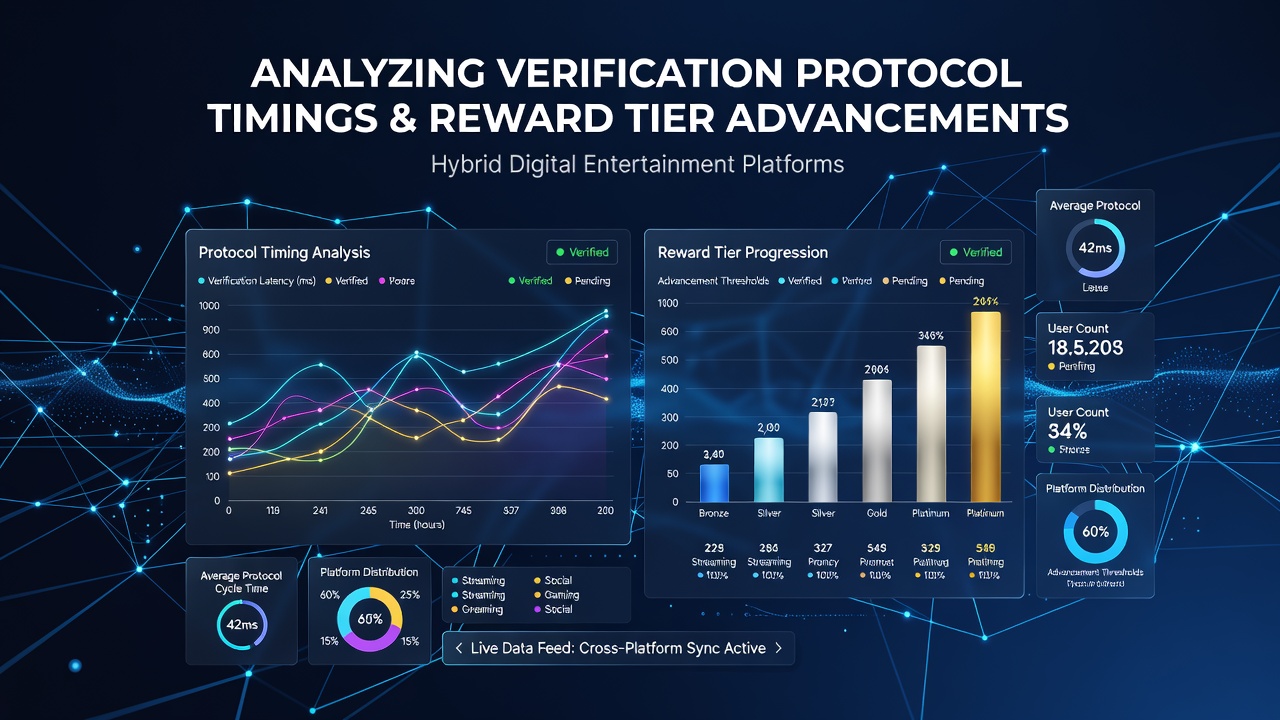
Verification protocols in hybrid digital entertainment platforms operate as gatekeepers that determine how quickly users transition from initial registration to active participation in reward tier systems. These protocols typically encompass identity checks, document uploads, and automated cross-references with external databases, and the duration of each step directly correlates with the pace at which players accumulate points toward higher VIP levels in environments that blend slot mechanics with live dealer tables.
Core Components of Verification Timelines
Platform operators structure verification into sequential stages where initial automated scans complete within minutes while manual reviews extend the process across several hours or days depending on document complexity and regional regulatory requirements. Data from multiple operators shows that streamlined biometric integrations reduce average completion times from 48 hours to under 6 hours in markets with high mobile adoption rates. Researchers tracking these patterns note that platforms integrating real-time address verification alongside payment method confirmation experience fewer interruptions during the critical first-week window when users establish baseline activity levels for tier progression.
Impact on Hybrid Game Ecosystems
Hybrid platforms combine automated reel games with card-based live dealer sessions, which creates distinct pathways for reward accumulation that verification delays can disrupt unevenly. Players engaging primarily with slots often generate points through volume-based metrics that require sustained sessions, whereas table game participants advance through per-hand contributions that demand immediate access after deposits clear. When verification extends beyond 24 hours, observers note measurable drops in cross-game engagement because users cannot access combined loyalty multipliers that reward switching between reel and card formats within the same session.
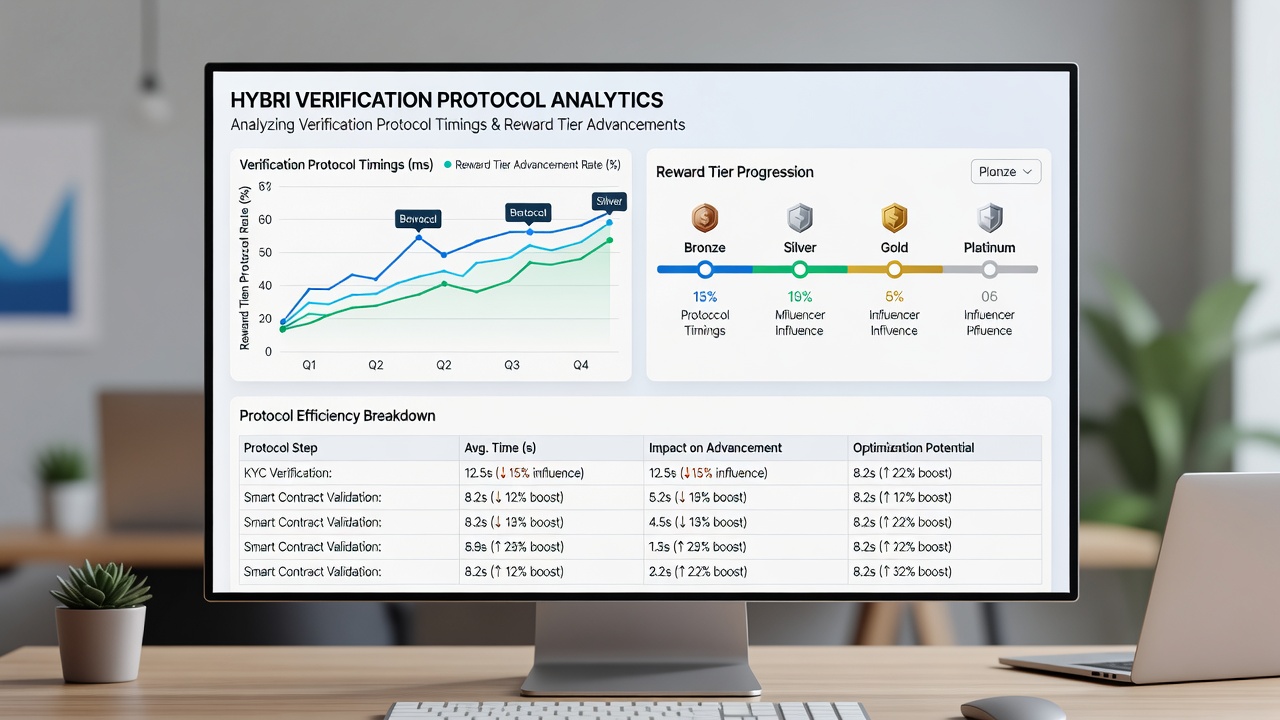
Studies conducted across North American and Australian operators reveal that each additional 12-hour delay in verification approval correlates with a 15-20 percent reduction in initial tier advancement speed during the first month of activity. This effect compounds in systems where hybrid bonuses activate only after full verification, leaving unverified accounts locked out of promotional play that feeds directly into tier calculations.
Regional Variations in Protocol Efficiency
Regulatory frameworks across different jurisdictions shape verification speed through mandated review periods and acceptable documentation standards. Platforms serving Canadian markets often complete checks faster when leveraging provincial gaming authority databases, while those operating under European standards incorporate additional layers of source-of-funds verification that extend timelines. In August 2026 several operators reported implementing unified API connections with government identity services in select regions, which cut average processing from 36 hours to 9 hours according to internal metrics shared with industry groups like the American Gaming Association.
Those monitoring these changes observe that faster approvals translate into quicker eligibility for tiered features such as personalized game recommendations and accelerated point multipliers across both slot and table categories. Platforms that maintain separate verification queues for high-volume depositors demonstrate higher retention in hybrid reward structures because players reach milestone thresholds before losing momentum from extended wait periods.
Technical Integration and Tier Mechanics
Modern systems link verification status directly to backend loyalty engines so that approved accounts begin tracking hybrid activity metrics immediately upon completion. This integration means a player who completes verification on day two can retroactively apply points from day-one activity toward tier thresholds, whereas delays beyond that window often reset accumulation windows in some tier models. Technical reports from platform providers indicate that real-time status updates between verification modules and reward dashboards reduce errors in point allocation by nearly 40 percent compared with batch-processed systems.
Payment method verification forms another critical branch because certain deposit channels trigger additional security layers that interact with game-type restrictions. Users verified through instant bank transfers tend to access full hybrid functionality sooner than those relying on card-based methods that require manual address matching, which influences how quickly they can leverage combined slot and table bonuses designed to accelerate tier movement.
Conclusion
Verification protocol timings establish foundational constraints on reward tier advancement within hybrid digital entertainment platforms by controlling the window during which players can generate qualifying activity across multiple game formats. Operators that optimize these timelines through automated tools and regional data integrations consistently report stronger progression rates in tier systems that blend reel and card-based rewards. As platforms continue refining these connections, the relationship between approval speed and sustained engagement remains a measurable factor in how users advance through loyalty structures over time.