Analyzing How Cumulative Wager Thresholds Shape Access to Specialized Event Invitations in App-Based Wagering Networks
Written by Felix Meier · Jul 24, 2026
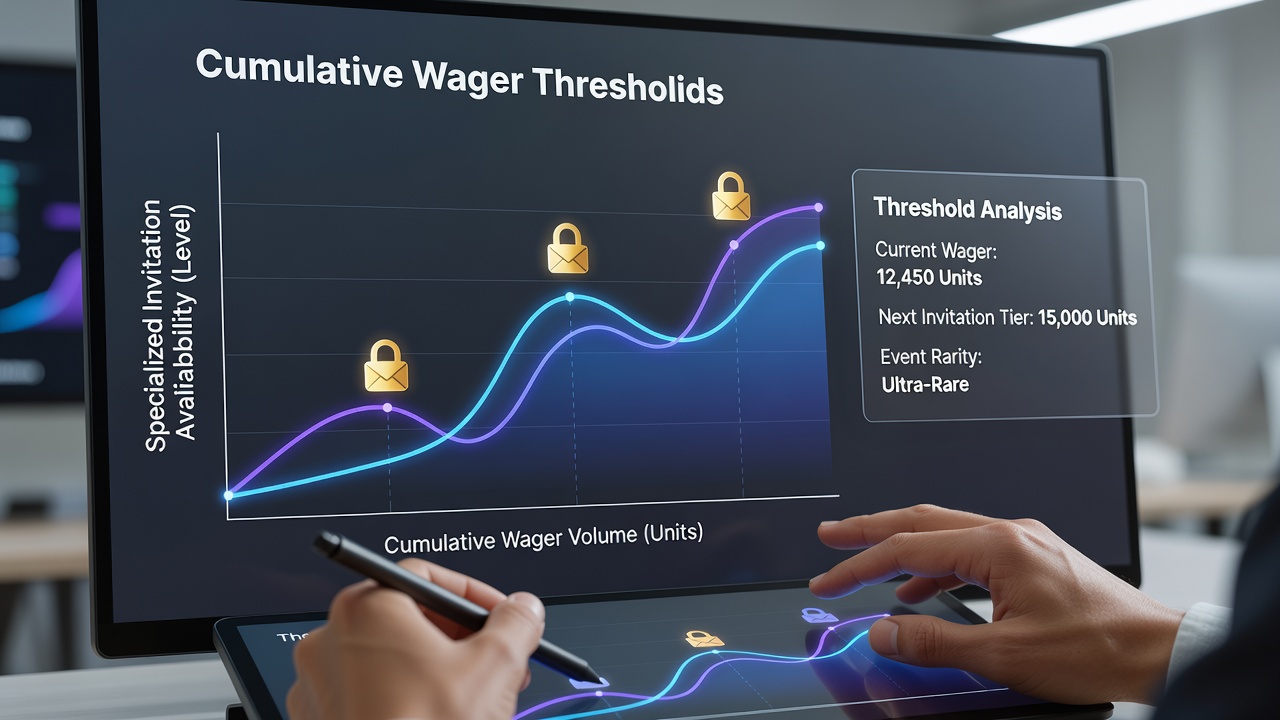
Analyzing How Cumulative Wager Thresholds Shape Access to Specialized Event Invitations in App-Based Wagering Networks
App-based wagering networks track player activity through cumulative wager thresholds that determine eligibility for specialized event invitations, and these systems operate by aggregating total stakes across sessions rather than isolated bets. Observers note that platforms calculate running totals from deposits and wagers placed over defined periods, then compare those figures against preset benchmarks that unlock access to private tournaments, live-streamed experiences, and invitation-only promotions.
Mechanics of Threshold Calculation in Mobile Platforms
Operators set thresholds that combine direct wagers on slots, table games, and live dealer options into a single cumulative metric, while adjustments for game type multipliers often apply so that certain activities contribute more toward the total. Data from industry reports shows that users who reach the first tier, typically after several thousand dollars in cumulative play, receive notifications for mid-level events, whereas higher brackets open pathways to premium gatherings scheduled months ahead. Those who've studied these platforms find that real-time dashboards display progress toward the next milestone, and automated alerts trigger once thresholds clear during active sessions.
July 2026 marks an upcoming review period for several North American operators as they prepare updated threshold models ahead of new compliance cycles, and analysts expect refinements that incorporate player retention metrics alongside raw wager volumes. Research indicates that networks adjust these figures seasonally to balance event availability with operational costs, and the process involves cross-referencing user histories stored in centralized databases.
Effects on Invitation Availability and Player Progression
Cumulative thresholds directly control how many users gain entry to specialized events because platforms limit spots based on achieved tiers rather than open registration. Figures from recent analyses reveal that players clearing lower thresholds receive more frequent invitations to regional meetups, while those hitting upper levels access international showcases that include travel components and exclusive prize pools. What's interesting is the way networks stagger releases so that new events appear shortly after users cross a benchmark, which encourages continued engagement across multiple game categories.
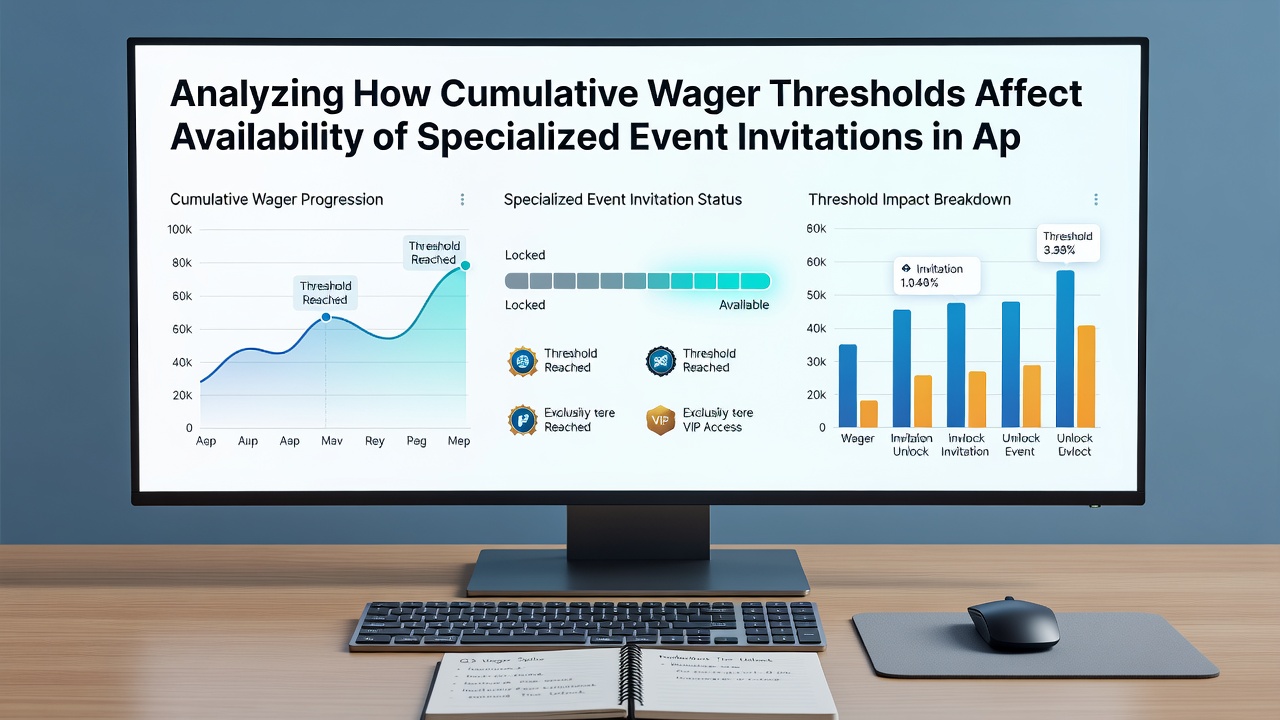
One case examined by researchers at the University of Nevada, Las Vegas highlighted how a mid-sized app adjusted its thresholds mid-year, resulting in a measurable shift where more users qualified for quarterly virtual tournaments. University of Nevada Las Vegas gaming studies documented the change through anonymized data samples, and similar patterns appear in reports from the Australian Gambling Research Centre that track cross-border platform behaviors. Those patterns demonstrate that higher thresholds correlate with fewer but more selective invitations, whereas moderate benchmarks distribute access across wider player bases.
Regional Differences in Threshold Application
Platforms serving different jurisdictions apply varying rules because local regulations influence how cumulative totals factor into invitation systems. In Canadian provinces, for instance, operators align thresholds with provincial oversight requirements that emphasize responsible play tracking, while European networks often tie the same metrics to licensing conditions set by bodies such as the Malta Gaming Authority. Data shows these variations create uneven invitation flows, with some regions seeing faster progression rates due to localized bonus structures that accelerate wager accumulation.
Take one network that expanded into additional markets last year, where experts observed that cumulative requirements remained consistent yet event calendars adapted to regional holidays and sporting calendars. The reality is that players who monitor their progress across multiple apps can strategically time wagers to coincide with threshold resets, and this approach has become more visible in public forums discussing app features.
Future Adjustments and Data Integration
Upcoming updates scheduled around July 2026 aim to integrate machine learning models that predict invitation demand based on historical wager patterns, and these changes could refine how thresholds translate into event access. Industry organizations such as the European Gaming and Betting Association have published overviews noting the growing use of predictive analytics in loyalty programs, which helps networks manage limited event capacities more efficiently. Observers note that such integrations may lead to dynamic thresholds that respond to overall platform activity rather than fixed numbers alone.
Conclusion
Cumulative wager thresholds function as gatekeepers that link sustained play volumes to opportunities for specialized invitations across app-based wagering networks, and the systems continue evolving with regulatory reviews and technological advances. Data from multiple regions illustrates consistent connections between threshold achievement and event participation rates, while regional adaptations ensure compliance without disrupting core mechanics. Those tracking these developments see ongoing refinements that maintain balance between player progression and operational limits.